Comparisons
Underwire vs Wireless Bras for Plus-Size Bodies: The Honest Comparison
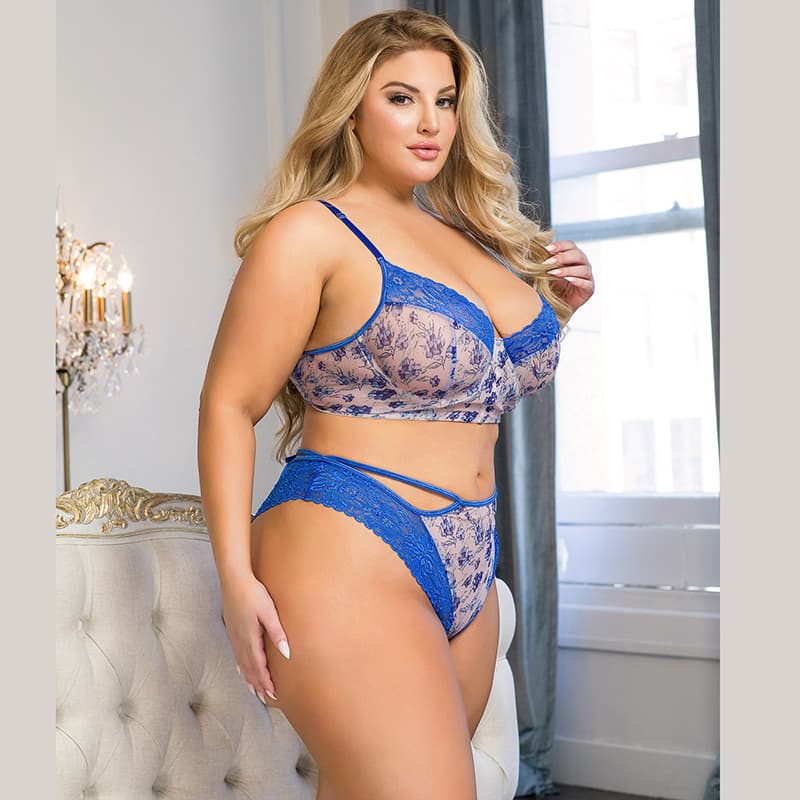
The underwire-versus-wireless debate runs hottest in plus-size lingerie because the stakes are higher. A larger bust needs more support, which traditionally meant underwire. But modern wireless bras have closed most of the support gap, and for many plus-size women a wireless bra is now the better daily-wear choice. Here is the honest comparison.
What Each One Does
Underwire bras
Underwire is a curved support running beneath each cup, made from coated metal or plastic. It follows the inframammary fold (where the bust meets the chest) and provides peak lift, separation, and shape. The wire takes some of the weight off the band and straps and concentrates it into the wire arc.
Wireless bras
Wireless bras provide support entirely through fabric construction: structured cups (often sectional), wide underbands, padded straps, and reinforced wings. Modern wireless full-bust bras can support cup sizes up to G or H without wire.
Where Underwire Wins
- Maximum lift and shaping. Underwire creates more pronounced cleavage definition and peak lift than wireless.
- Smooth silhouette under fitted clothing. The wire keeps the cup shape consistent through movement.
- Specific occasions (formal wear, photography) where defined bust shape matters most.
- Some bust shapes (full-on-bottom, pendulous) where wire helps lift the bust into the cup.
Where Wireless Wins
- All-day comfort, especially for women who sit for long periods or move through varied positions.
- Sensitive skin or healing periods (post-surgical, postpartum, perimenopause).
- Travel and lounge contexts where rigid wire shape becomes uncomfortable over hours.
- Sleep and weekend wear.
- Activities where the wire might shift (yoga, gardening, lying on your stomach).
- Body shapes where wire shape consistently does not match (very wide-set or very close-set busts that struggle to find a wire arc that fits).
The Modern Wireless Renaissance
Wireless bras have improved more in the last five years than in the previous twenty. The combination of sectional cup construction, wide structured bands, padded straps, and engineered support panels means wireless bras now provide real full-bust support up to G or H cup sizes. The Scarlett Club's wireless plus-size range uses these construction methods.
Modern wireless full-bust bras typically include:
- Sectional cups built from three or four panels for shape and lift.
- Wide underbands (4 to 6 centimetres) with multiple layers.
- Three or four hook-and-eye rows.
- Padded straps at least 2 centimetres wide.
- Reinforced gore and wing structure.
- Power mesh or stretch panel for back smoothing.
Which to Choose
| Goal | Better choice |
|---|---|
| Maximum lift and bust shaping | Underwire |
| All-day comfort | Wireless |
| Smooth silhouette under fitted clothing | Underwire (with moulded cup) |
| Sleep, lounge, recovery | Wireless |
| Travel | Wireless |
| Office and professional wear | Either, depending on personal comfort |
| Cup gapping problem | Wireless with sectional cups |
| Underwire pain in past bras | Wireless or different wire shape |
| Cup size F and above | Underwire usually still wins on shaping |
| Cup size D to E | Modern wireless can match underwire |
| Postpartum or breastfeeding | Wireless |
| Perimenopause | Wireless typically more comfortable |
Why Most Plus-Size Wardrobes Need Both
Owning both lets you match the bra to the day. A structured underwire for the work day with fitted clothing; a wireless for the weekend or for travel; a sports bra for movement. The combination covers more contexts than either alone.
Most plus-size lingerie wardrobes benefit from a rotation of:
- Two underwire bras for daily wear under fitted clothing.
- One wireless bra for comfort priority and weekends.
- One sports bra for active wear.
- One bralette for sleep or extreme comfort priority.
If You Are Switching from Underwire to Wireless
The transition is straightforward but takes adjustment. Three things to know:
- Re-measure first. Bands and cups in wireless bras can size differently than the same nominal size in underwire bras.
- Expect a slightly different shape. Wireless bras typically create a more rounded, natural shape rather than the lifted, separated shape underwire creates. This is often a positive change but takes a few wears to get used to.
- Choose plus-size-engineered wireless. Cheaper wireless bras (typically straight-size designs scaled up) do not provide proper plus-size support. Look for the construction details listed above.
Frequently Asked Questions
- Are wireless bras supportive enough for plus-size?
Modern wireless plus-size bras with sectional cups, wide structured bands, and reinforced support panels provide real support up to G or H cup sizes. The peak lift of underwire is still hard to fully replicate, but everyday support is achievable wireless.
- Why do underwires hurt me?
Three common reasons: the wire shape is wrong for your bust spacing (too narrow or too wide), the cup is too small (the bust pushes the wire onto bust tissue), or the band is too loose (the wire shifts out of position). All three are fixable. See underwire pain in plus-size bras.
- Can I wear an underwire bra every day?
Yes, if it fits properly. A correctly fitted underwire bra is comfortable for all-day wear. The discomfort that some women experience with underwire is almost always a fit issue rather than an inherent problem with wire.
- Are wireless bras worse for back support?
No, when properly engineered. The back support comes from the band, not the wire. A wireless bra with a wide structured band can provide as much back support as an underwire bra. Look for plus-size wireless bras with bands at least 3 centimetres wide.
- Should I switch to wireless during pregnancy or postpartum?
Generally yes. Pregnancy and postpartum involve significant body change, and wireless bras accommodate change better than underwire. Some lactation specialists also recommend avoiding underwire during breastfeeding to reduce risk of clogged ducts.