Fit Diagnostics
How a Bra Should Fit: The Five Fit Points That Matter
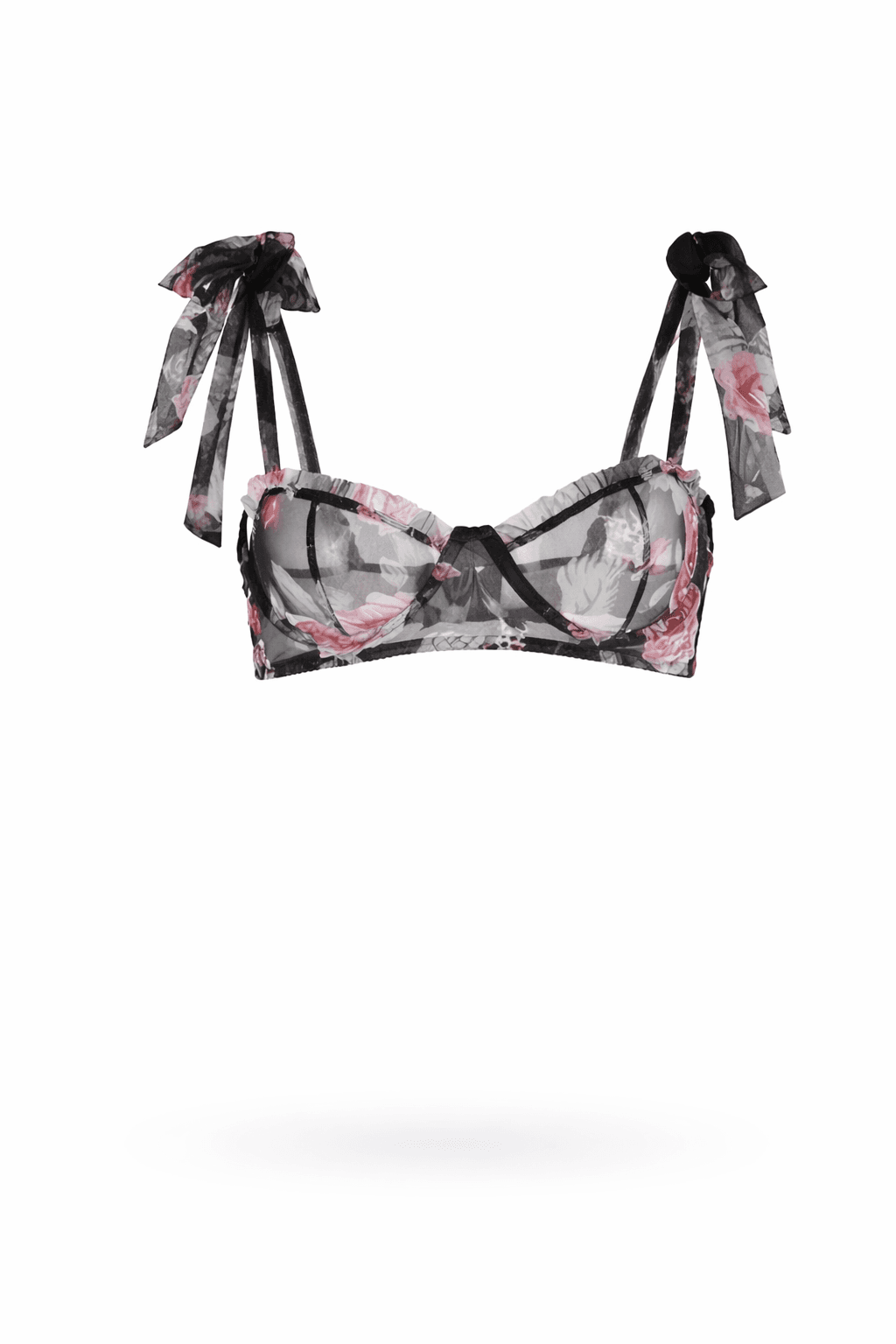
A bra that fits properly disappears against the body. You forget you are wearing it. The cups stay in place, the band stays parallel to the floor, the straps rest on your shoulders without weighing them down, and at the end of the day you take it off without finding red marks or pressure points.
A bra that does not fit creates the back rolls, strap grooves, underwire pain, and constant adjusting that most plus-size women have lived with for years and assumed was just part of being plus-size. It is not. The fit framework below covers the five points that determine whether a bra works on your body, and the diagnostic checks for each one.
Fit Point 1: The Band
The band carries roughly eighty percent of a bra's support. If the band is wrong, no other part of the bra can compensate.
How a band should sit
- Parallel to the floor all the way around. Look in a mirror from the side. The band should form a level line from the front of the rib cage around to the back closure.
- Snug enough that you can fit two fingers underneath, but no more. Three fingers means the band is too loose. One finger means it is too tight.
- Sitting at the same height all day. If you find yourself tugging the band down at the back, the band is too loose.
- On the loosest hook when new, so you can tighten as the elastic relaxes over months of wear.
What a wrong band looks like
Too loose: the band rides up the back during the day, ending higher than the front. The straps end up carrying weight and digging into your shoulders. Spillover at the bust because the cups have lost their anchor.
Too tight: visible compression marks at the end of the day, painful pressure under the bust, difficulty breathing deeply. The skin above the band may bulge upward.
Fit Point 2: The Cups
Cups should contain the entire bust without spillover and without empty space.
How cups should sit
- The bust fills the cup completely from gore to side seam, top to bottom.
- No spillover at the top edge of the cup (the 'double bust' look).
- No spillover at the underarm or side (the 'side boob' look).
- No empty space or gap at the top of the cup.
- The fabric of the cup lies smoothly against the breast tissue without wrinkling, puckering, or bagging.
What wrong cups look like
Too small: the bust spills over the top, the side, or both. The cup edge cuts into the breast tissue. The bra creates the appearance of four breasts.
Too big: empty space at the top of the cup. The cup wrinkles or puckers. The cup tip points outward instead of staying close to the body.
Fit Point 3: The Gore
The gore is the small section between the two cups. Its job is to anchor the bra to the breastbone and keep the cups separated.
How the gore should sit
- Lying flat against the breastbone. You should be able to feel the gore touching your skin all the way along its length.
- Centered between the breasts.
- Sitting at sternum level rather than floating above the chest.
What a wrong gore looks like
A floating gore (one that sits away from the chest with visible air gap) usually means the band is too small or the cups are too small. Both push the gore outward away from the chest. Going up a cup size or a band size, depending on which other fit points are off, normally fixes it.
If the gore digs into the breastbone painfully, the wire shape may be too narrow for your bust spacing. This is a separate issue from gore floating and may require trying a different bra style.
Fit Point 4: The Straps
Straps are not the main support system. They keep the cups in position; the band does the work of holding everything up.
How straps should sit
- Resting comfortably on the shoulders without digging or sliding.
- Adjusted so that you can fit one finger underneath each strap with mild resistance.
- Symmetric. If one strap rides up while the other slides off, check the bra placement and the strap adjustment.
- Wide enough for plus-size weight distribution. Most plus-size bras have straps between 1.5 and 2.5 centimetres wide; thinner straps are for show and dig in fast.
What wrong straps look like
Straps that dig grooves are almost always a band problem, not a strap problem. The band has migrated up the back and the straps are now carrying weight they were never designed to carry. The fix is a tighter band, not wider straps. See why your bra straps dig in for the full diagnosis.
Straps that slide off the shoulders usually mean the straps are adjusted too long, the band is too loose, or the bra style is too narrow-set for your shoulder shape.
Fit Point 5: The Wire
If the bra has underwire, the wire should sit on the rib cage along the inframammary fold (the crease where the bust meets the chest), never on the bust tissue itself.
How the wire should sit
- Following the natural fold under the bust.
- Resting on the rib cage, not on the bust.
- Wide enough that the wire ends sit on the rib cage at the side, not on the bust tissue.
- Symmetric on both sides, both at the front and the back.
What a wrong wire looks like
Wire that sits on bust tissue is the wrong cup size, almost always too small. Wire that pokes out at the underarm is the wrong wire shape (too wide for your bust spacing). Wire that rides up at the front is the wrong band size (too loose). For the full underwire diagnosis, see underwire pain in plus-size bras.
The Eight-Point Final Check
After putting the bra on, scoop the bust into the cups (lean forward, lift each breast with your opposite hand into the cup, then stand up). Then check:
- Is the band parallel to the floor?
- Can you fit two fingers under the band but not three?
- Is the gore lying flat against your breastbone?
- Are the cups containing the bust without spillover?
- Is there no empty space at the top of the cups?
- Are the straps comfortable without digging?
- If there is underwire, is it resting on the rib cage rather than on the bust?
- Is the bra symmetrical and even on both sides?
If you can answer yes to all eight, the bra fits. If any one is a no, see the twelve most common bra fit problems for the diagnostic flowchart and the fix.
When the Bra Fits But Still Feels Wrong
Sometimes a bra passes every fit check and still feels uncomfortable. Three reasons:
- The fabric is wrong for your skin sensitivity. Lace seams, mesh edges, and certain elastic blends can irritate even when the fit is correct. Try a smooth-cup version of the same bra.
- The wire shape does not match your bust shape. Wire shape (narrow vs wide) is independent of cup size and band size. You may need to try a different bra style with a different wire arc.
- The bra is new and needs breaking in. Premium plus-size bras can take three to five wears before the underband and straps soften to the body. After that period, evaluate the fit again.
Frequently Asked Questions
- How do you know if a bra fits properly?
A properly fitting bra passes the eight-point check: band parallel to the floor, two-finger fit under the band, gore lying flat, cups fully containing the bust, no empty space at the top of the cups, straps comfortable, wire on the rib cage rather than the bust, and symmetric on both sides. If any one of these is wrong, the fit needs adjustment.
- How tight should a bra band be?
The band should be snug enough that you can slide two fingers underneath with mild resistance. Three fingers means the band is too loose; one finger means it is too tight. The band should always be on the loosest hook when the bra is new, so you can tighten as the elastic relaxes.
- Why does my bra ride up in the back?
The band is too loose. When the band is loose, gravity pulls it up the back as you move through the day, which then transfers weight onto the straps. The fix is to size down in the band; you may need to size up in the cup at the same time to maintain cup volume. See sister sizes explained for the math.
- Should the gore of a bra touch my skin?
Yes. The gore should sit flat against the breastbone. If there is air gap between the gore and your skin, the cups are too small or the band is too small. Going up a cup size usually fixes it.
- Why do my bra straps always dig into my shoulders?
Strap digging is almost always a band problem, not a strap problem. When the band rides up, the straps end up carrying support weight they were never designed to carry. The fix is a tighter band, not wider straps. See why your bra straps dig in for the full diagnosis.