Buying Decisions
Why Plus-Size Lingerie Has to Be Engineered Differently (Not Just Sized Up)
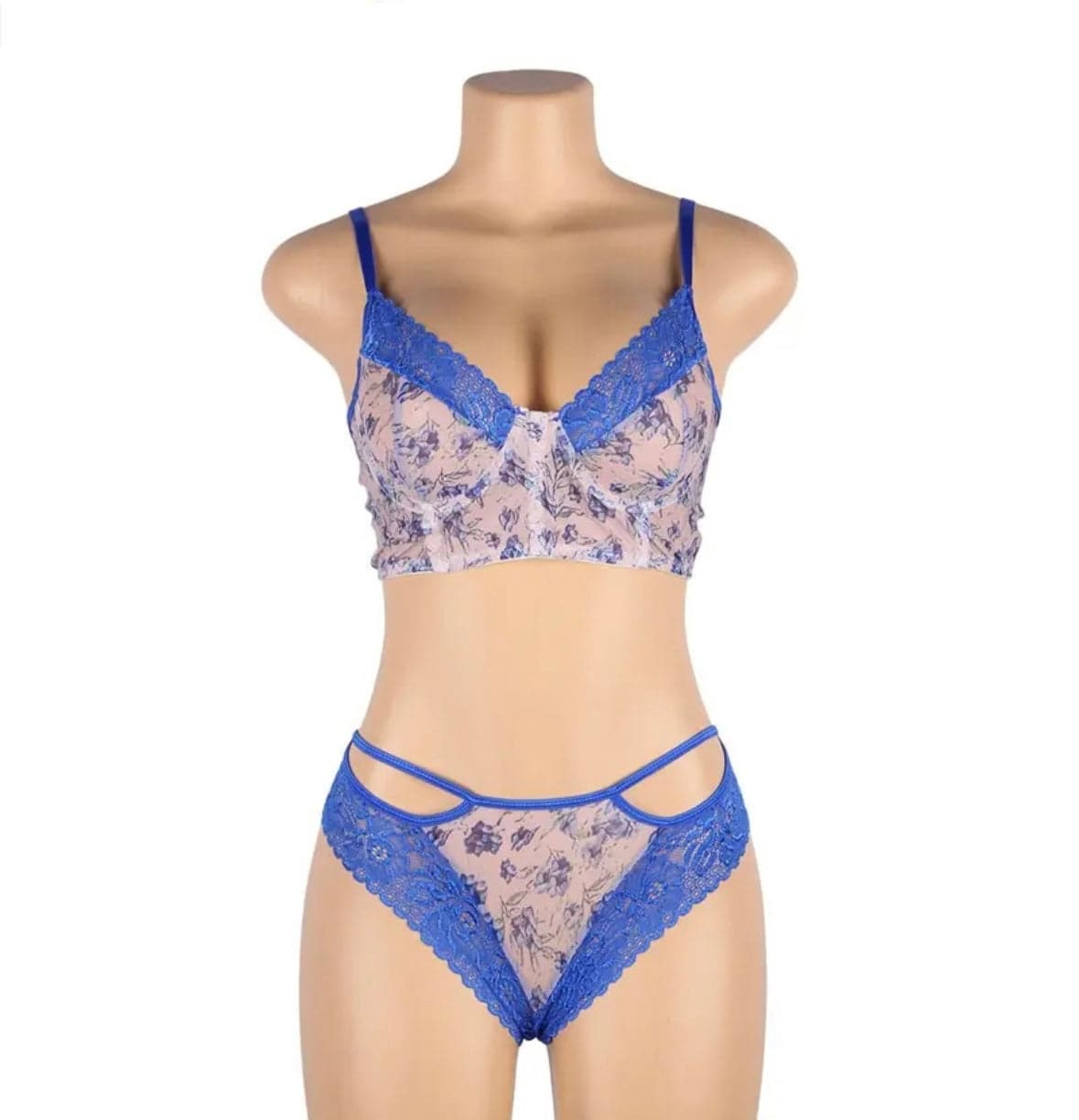
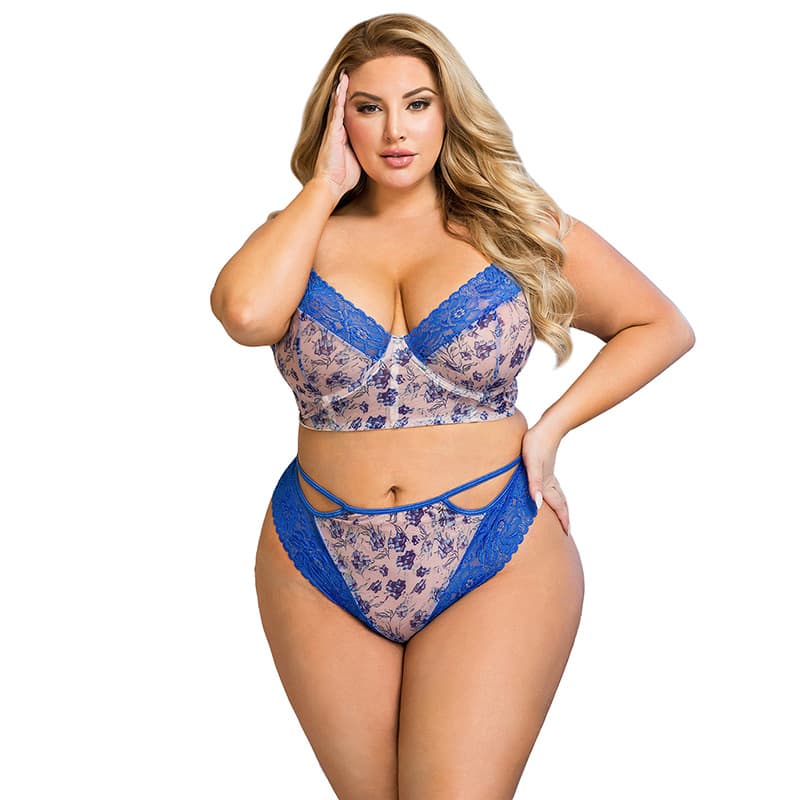
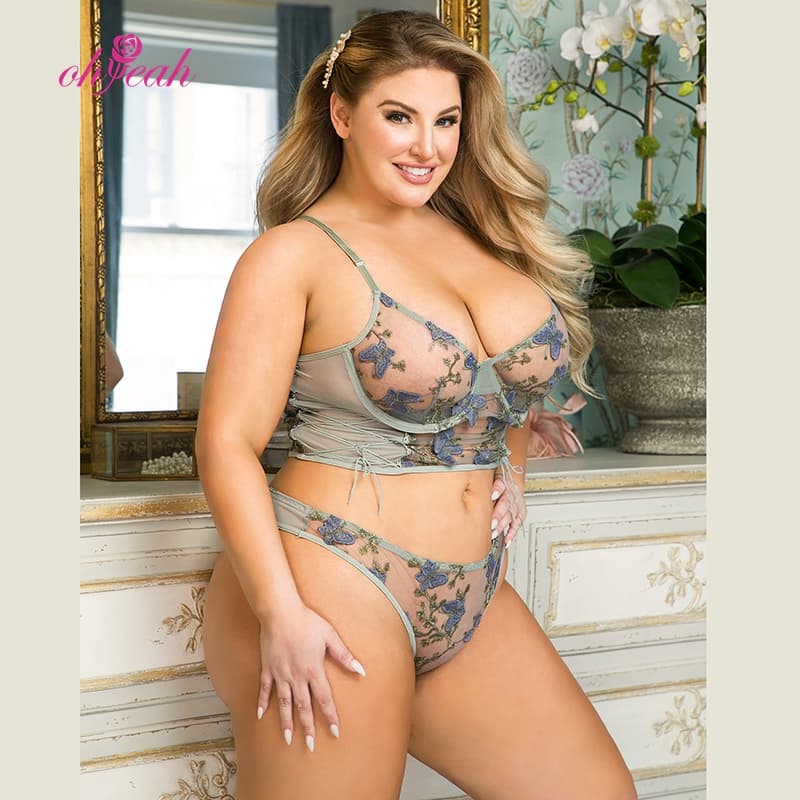
Scaled-up straight-size patterns fail on plus-size bodies in predictable ways. The bands ride up. The cups gap. The straps dig. The panties roll down. These are not fit problems caused by the body; they are engineering problems caused by patterns that were drafted for a different proportional set and then resized larger without re-engineering.
True plus-size lingerie is engineered from the start of the size run, with different patterns, different proportions, and different construction priorities. Here is the engineering difference, and why it matters.
What Pattern Scaling Actually Does
When a brand designs a bra in size 34B and then 'extends the range' to 44DD, the simplest approach is to scale every measurement up by the size increment. The band gets longer. The cups get larger. The straps get longer.
What does not change with scaling: the relative proportions, the construction priorities, the stress engineering. A 34B bra band carries roughly two kilograms of bust weight. A 44DD bra band carries five times that load. A pattern engineered for the smaller load fails when the load grows. The band stretches faster, the wire shifts, the cups gap, the straps dig.
Where Scaled Patterns Fail
Failure 1: Band stretching
A band designed for a 34-inch underbust uses elastic chosen for that load. The same elastic in a 44-inch underbust band stretches faster and loses recovery faster. The bra feels good for two months and loose by month four. The fix in true plus-size engineering is heavier-gauge elastic, multi-layer construction, and a wider band that distributes the load.
Failure 2: Cup gapping at the top
Straight-size cup shapes assume a roughly round bust shape. As cup size increases, the bust shape often becomes more variable: full-on-bottom, pendulous, or asymmetric. A scaled-up cup imposes the smaller cup's shape on the larger bust, causing top gapping and side spillover. True plus-size engineering uses sectional cups (multiple seamed panels) that shape the bust into the cup rather than forcing the bust into a fixed shape.
Failure 3: Strap digging
A scaled-up strap is the same width as the original, just longer. The same width carrying a much heavier load creates much more pressure per square centimetre on the shoulder. The fix in true plus-size engineering is wider straps from the start (1.5 to 2.5 centimetres) and padded straps for the largest sizes.
Failure 4: Wire poking
A scaled-up underwire is the same gauge and shape as the original, just larger. The same gauge wire flexes more under heavier load, which causes the wire to shift out of the inframammary fold. The fix in true plus-size engineering is heavier-gauge wire and wire shapes designed for plus-size bust spacing (which is often wider than straight-size).
Failure 5: Panty waistband rolling
A scaled-up panty waistband uses the same elastic and the same width as the smaller size. The same elastic on a longer waistband stretches more and loses tension faster. The same width on a fuller body has more soft tissue to compress. The fix in true plus-size engineering is wider waistbands and reinforced elastic.
Failure 6: Inner thigh chafing
Scaled-up panty leg openings sit at the same proportional location as straight-size, which on a plus-size body places the seam on the inner thigh rather than at the leg-to-hip transition. The result is friction and chafing during walking. The fix in true plus-size engineering is leg openings repositioned for plus-size proportions.
What True Plus-Size Engineering Looks Like
Design teams that engineer for plus-size from the start of the size run do several things differently:
- Draft on plus-size blocks. The pattern starts from a plus-size body model rather than scaling up a straight-size block.
- Use plus-size fit models throughout development. The bra is fit-tested on bodies in the actual size range, not on a straight-size model with measurements extrapolated.
- Choose materials engineered for the load. Heavier elastic, heavier-gauge wire, layered fabrics for high-stress areas.
- Reinforce stress points. Multi-hook closures, multi-layer gore, structured wings, padded straps.
- Re-engineer construction at every size break. The bra in size 38D may have different construction than the same model in 46F because the load and the body proportions are different.
- Independent bra and panty sizing. A real plus-size set lets you order the bra in 40D and the panty in size XL, because those are separate measurements.
How to Tell if a Brand Engineers for Plus-Size
- The size range starts at S or below and extends through 5XL or beyond. (A brand that only offers 'extended sizes' as an afterthought is rarely doing real plus-size engineering.)
- The product photography shows the pieces on plus-size bodies, not on straight-size bodies with size extensions noted.
- The product descriptions name plus-size construction details: band width, multi-hook closure, sectional cups.
- The size chart uses multiple body measurements (bust, underbust, waist, hip) rather than a generic S-M-L equivalent.
- The brand's marketing language treats plus-size as a primary segment, not a tagged-on category.
- The customer reviews from plus-size women mention fit consistency rather than 'I had to size up'.
Why This Matters Beyond Comfort
Beyond the comfort difference, true plus-size engineering matters for:
- Lifespan: a bra engineered for the load lasts longer than a scaled-up bra under the same load.
- Health: chronic shoulder pain, back pain, and skin irritation from poorly fitting bras are real medical issues that proper engineering prevents.
- Confidence: a bra that fits properly disappears against the body. A bra that does not fit becomes a constant distraction.
- Cost-per-wear: a more expensive but properly engineered bra often has a lower cost-per-wear than a cheaper scaled-up bra that fails faster. See is plus-size lingerie worth investing in.
Frequently Asked Questions
- Why does plus-size lingerie need to be engineered differently?
Because the support load, body proportions, and stress points are different at plus sizes. Scaled-up straight-size patterns fail in predictable ways: bands stretch, cups gap, straps dig, panties roll down. True plus-size engineering uses different patterns, different materials, and different construction priorities to address those failure modes.
- How can I tell if a brand really engineers for plus-size?
Check the size range (does it start at S or below?), the product photography (is it on plus-size bodies?), the construction details in product descriptions (band width, hook count, cup type), and customer reviews from women in your size range. A brand that treats plus-size as a primary segment rather than an extended-size afterthought usually shows it in all four signals.
- Is more expensive plus-size lingerie always better engineered?
Usually but not always. Price is a rough indicator of construction investment, but some mid-priced brands engineer well and some expensive brands do not. The construction details (band width, hook count, cup type, strap width, gore reinforcement) are more reliable than price alone. See the plus-size lingerie shopping checklist.
- Why do my plus-size bras stop fitting after a few months?
Almost always because the band has lost elastic recovery. Plus-size bras carry more load and lose elasticity faster than smaller bras. With scaled-up straight-size construction, this happens even faster than with proper plus-size engineering. Replace bras every six to nine months, and choose brands with engineered plus-size construction for longer lifespan.
- Should I always pay more for plus-size engineering?
For pieces you wear daily (bras, everyday panties), yes. The cost-per-wear math favours properly engineered pieces because they fit better and last longer. For occasional pieces (special-occasion lingerie sets), the calculation is different and lower-cost options can make sense. See is plus-size lingerie worth investing in.