Fit Diagnostics
How Plus-Size Panties Should Fit: The Four Fit Points That Matter
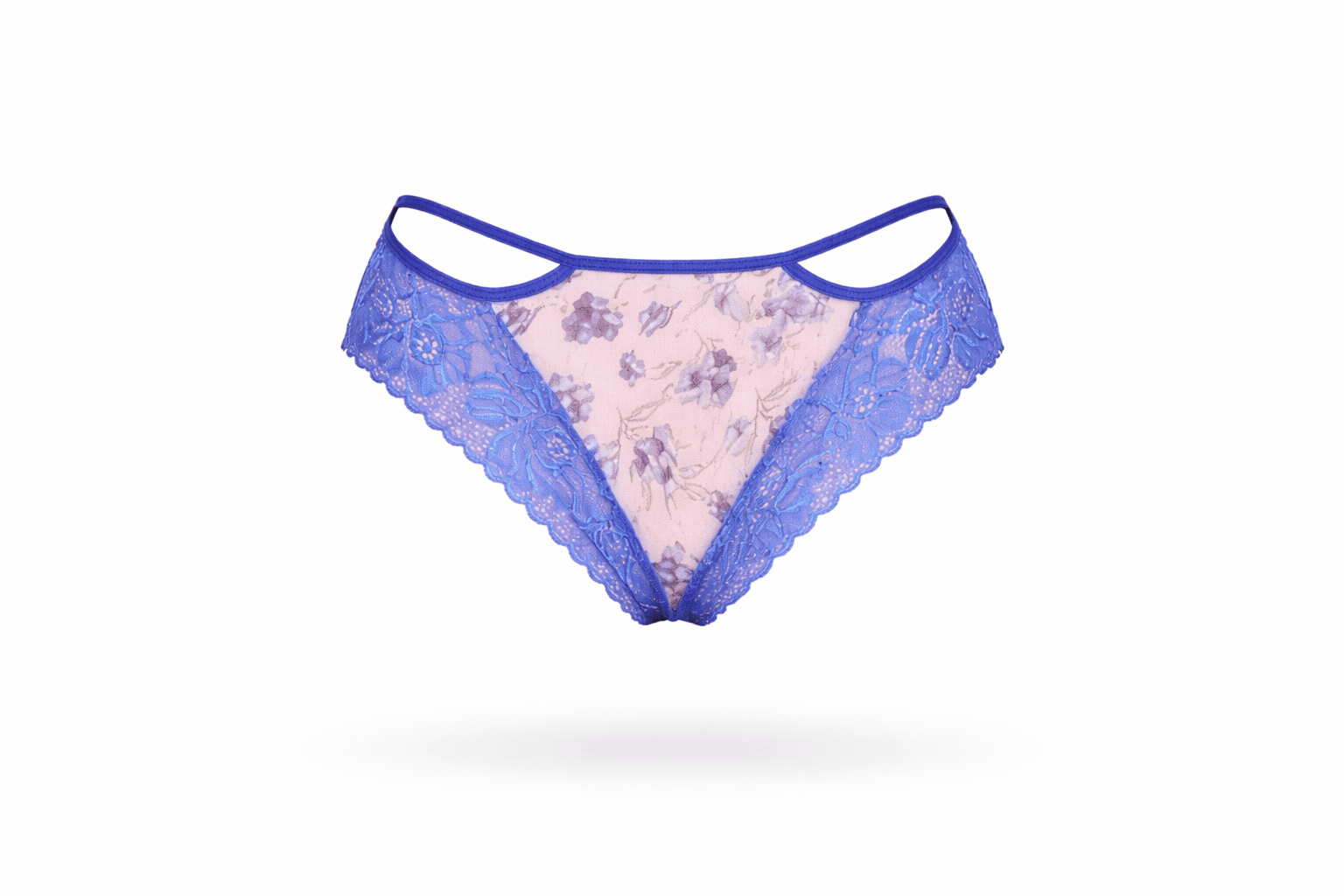
Panties that ride up, dig in, leave waistband marks, or create visible panty lines are not the price you have to pay for being plus-size. They are a sign that the panty cut, the construction, or the size is wrong for your body. The fit framework below covers the four points that determine whether a plus-size panty actually works.
Fit Point 1: The Waistband
The waistband should sit flat against your skin without rolling, digging, or leaving compression marks at the end of the day.
How the waistband should sit
- Flat against the skin without folding inward or rolling outward.
- At the height the panty was designed for (high-waist at the natural waist, mid-rise just below the navel, low-rise across the upper hip).
- Snug enough to stay in place but loose enough to fit two fingers underneath comfortably.
- No marks, indentations, or red lines after eight hours of wear.
What a wrong waistband looks like
Rolling: the waistband folds down on itself, usually because the panty is too small at the waist or because the waistband elastic is too narrow for the load.
Digging: deep marks at the end of the day mean the waistband is too tight or the elastic is too stiff.
Fit Point 2: The Hip and Leg Openings
The leg openings should sit smoothly around the upper thigh without cutting in or riding up.
How leg openings should sit
- Lying flat against the skin without gripping or compressing.
- Following the natural line of the leg-to-hip transition.
- Staying in place during normal movement (walking, sitting, bending).
- No marks or indentations after wear.
What wrong leg openings look like
Cutting in: visible compression mark or thigh bulge above and below the leg opening. Cause: opening is too small or the panty is undersized.
Riding up: the back of the panty migrates upward during movement, exposing the buttocks. Cause: the panty cut is wrong for your hip-to-waist ratio, or the leg opening is too large at the back.
Fit Point 3: The Gusset
The gusset is the fabric panel that lines the crotch area. On plus-size panties it should be wider than on straight-size panties to accommodate fuller proportions.
How the gusset should sit
- Centred and flat, not bunched or twisted.
- Wide enough that the side seams sit on either thigh, not on the inner leg.
- Made of soft, breathable fabric (cotton is the standard).
- Properly anchored to both the front and back of the panty so it does not shift during wear.
Fit Point 4: The Back Coverage
Back coverage varies hugely between panty styles. The right back coverage for you depends on the cut you have chosen and the silhouette under your clothing.
How back coverage should sit
- For full-coverage briefs: the back fully covers the buttocks without riding up.
- For hipsters and bikinis: the back covers most of the buttocks with a small section visible.
- For boyshorts: the back wraps around the buttocks and ends mid-cheek.
- For thongs and g-strings: the back is intentionally minimal but the strap should not dig in.
Common Plus-Size Panty Fit Problems
| Problem | Likely cause | Fix |
|---|---|---|
| Waistband rolls down | Panty is one size too small, or the waistband is too narrow. | Size up, or choose a panty with a wider waistband (at least 2 cm). |
| Visible panty line under leggings | Wrong cut for the outfit (a brief edge under thin fabric). | Switch to a thong, seamless, or microfiber laser-cut style. See [best panties under leggings](/library/best-panties-under-leggings-plus-size). |
| Riding up at the back | Back coverage too small for the buttock proportion. | Try a fuller cut (boyshort, hipster) or a brand engineered for plus-size hip-to-waist ratios. |
| Inner thigh chafing | Leg opening sits too close to the inner thigh. | Try a boyshort cut, or panties with longer leg openings. |
| Gusset bunching | Panty is too small in the rise, or the gusset is poorly anchored. | Size up; choose brands with reinforced gusset attachment. |
| Visible waistband under low-rise jeans | Waistband is higher than the jean rise. | Switch to a low-rise or no-show panty style. |
How Plus-Size Panties Differ From Straight-Size
Real plus-size panties are not just larger versions of the same pattern. They are drafted on different blocks with:
- Different hip-to-waist ratios (plus-size proportions vary more than straight-size).
- Wider gussets to accommodate fuller proportions.
- Higher rise on each style category (a 'mid-rise' plus panty sits higher than a 'mid-rise' straight panty in absolute centimetres).
- More forgiving leg openings to prevent inner thigh chafing.
- Wider waistbands (at least two centimetres) to distribute pressure.
If you have struggled with panty fit on plus-size bodies, it may be that you have been wearing scaled-up straight-size cuts. The fix is brands that draft plus-size from the start.
Frequently Asked Questions
- How should plus-size panties fit at the waist?
The waistband should sit flat against the skin at the height the panty was designed for. You should be able to fit two fingers under the waistband comfortably, but not three. There should be no waistband marks or indentations after eight hours of wear.
- Why do my plus-size panties ride up at the back?
Usually because the back coverage is too small for your buttock proportion, or because the panty is cut on a straight-size block scaled up. Try a fuller cut (boyshort or full-coverage brief) or a brand that engineers panties on plus-size blocks from the start.
- How can I avoid visible panty lines in plus-size panties?
Match the cut to the outfit. Under leggings or thin fabrics, choose seamless microfiber, laser-cut edges, or thongs. Under loose clothing, briefs and bikinis stay invisible. The 'no panty line' panty is usually one with no visible seams at the leg opening or waistband.
- Should plus-size panties have a wider gusset?
Yes. Plus-size proportions are different from straight-size, and a wider gusset accommodates fuller proportions while keeping side seams off the inner thigh. Brands that draft plus-size from the start typically widen the gusset; brands that scale up straight-size patterns often do not.
- How do I choose between brief, hipster, and boyshort cuts?
Brief: full coverage front and back, sits at or near the natural waist. Hipster: mid-rise, covers most of the back. Boyshort: lower rise, wraps around the buttocks like shorts. Brief is the most forgiving for outfit invisibility; boyshort is the most comfortable for active movement; hipster is the everyday middle ground. See panty types explained for the full breakdown.