Fit Diagnostics
Plus-Size Bra Cup Gapping: Why It Happens and How to Fix It
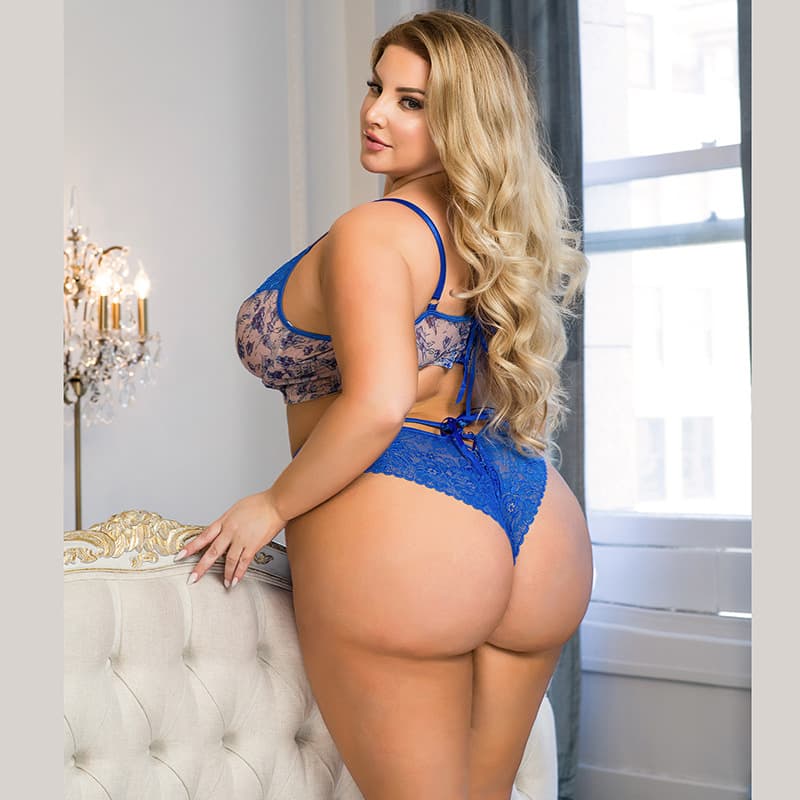
Empty space at the top of the cup, where the cup wrinkles or stands away from the bust, is one of the most common plus-size bra fit problems. It looks worst in fitted clothing and is often misdiagnosed as a sizing problem. Sometimes the cup is simply too big. Often, however, the cup is the right size but the wrong shape for your bust shape, and the fix is a different cup style, not a different size.
Cause 1: The Cup Is Genuinely Too Big
Signs that the cup itself is too large in volume:
- Wrinkling or puckering across the entire cup, not just the top edge.
- The cup feels empty all the way around, not just at the top.
- The bust does not fill the cup at any point.
- The bra has no spillover anywhere.
Fix: go down one cup size while keeping the same band. If the band still fits and only the cup is too big, simply sister-size down on the cup letter alone (this means the new size is one band size smaller and one cup size larger than your current size, which sounds counterintuitive but maintains volume). Actually, the simpler fix is just to go down one cup letter while keeping the same band.
Cause 2: The Cup Shape Is Wrong for Your Bust Shape
This is the more common cause and it is widely missed. Cups have shapes (the way the volume is distributed within the cup), and bust shapes vary. A bust that is fuller at the bottom than the top will leave the top of the cup empty in any cup style designed for an evenly distributed bust.
Common bust shape variations:
| Bust shape | Description | Best cup style |
|---|---|---|
| Full on bottom | More volume in the lower half of the bust than the upper half. | Balconette, demi, or plunge cuts. The shorter top edge sits closer to where the bust actually is. |
| Full on top | More volume in the upper half than the lower half. | Full-coverage cups with a high apex. Avoid balconette and demi styles. |
| Even | Volume distributed equally between top and bottom of the bust. | Most cup styles work. Sectional cups give the most lift. |
| Wide-set (gap between breasts) | Significant gap between the breasts at the centre. | Plunge or low-gore styles. Avoid cups with a wide gore. |
| Close-set (breasts close together) | Little or no gap between the breasts. | Full-coverage with a narrow gore. Plunge styles can dig at the centre. |
| Asymmetric | One breast noticeably larger than the other. | Lightly padded cups (the smaller side fills better). Match to the larger breast and adjust strap on the smaller side. |
| Pendulous (full on bottom, project downward) | Volume hangs lower than the inframammary fold. | Sectional cups with reinforced lower half. Underwire helps lift. |
How to Diagnose Which Cause Is Yours
- Put the bra on and lean forward, then scoop the bust into the cup with your opposite hand.
- Stand up. Does the bust fill the cup now?
- If yes (filled after scooping but empty before), the bust shape is full on bottom and the cup style is wrong for your shape.
- If no (still empty after scooping), the cup is genuinely too large.
The Fixes
If the cup is genuinely too big
Go down one cup size while keeping the same band. If your usual size is 38D and the cup is too big, try 38C.
If the cup shape is wrong for your bust shape
Switch to a cup style that matches your bust shape (see the table above). For full-on-bottom bust shapes, balconette and demi cups are usually the answer. For full-on-top bust shapes, full-coverage cups with a higher apex are the answer.
If you are between bust shapes
Sectional cups (cups built from three or four seamed panels) shape the bust into the cup rather than expecting the bust to fill a fixed shape. They are the most forgiving option for bust shapes that do not fit standard categories.
What About Padded or Push-Up Cups?
Padding fills empty space at the top of the cup mechanically. It works as a cosmetic solution if the gap is small. But padding does not fix the underlying mismatch between cup shape and bust shape, and it adds visible volume that some plus-size shoppers do not want.
Padding is best used as an aesthetic choice (you want more bust visual volume) rather than a fit fix.
Frequently Asked Questions
- Why does the top of my bra cup gap?
Two main causes. The cup is too big in volume (in which case go down one cup size), or the cup shape is wrong for your bust shape (in which case switch to a different cup style such as balconette or demi for full-on-bottom busts, or full-coverage for full-on-top busts).
- How do I know if my bra cup is too big or just the wrong shape?
Lean forward and scoop the bust into the cup with your opposite hand, then stand up. If the bust now fills the cup, your bust shape is full on bottom and the cup style is wrong. If the cup is still empty, the cup itself is too large in volume.
- What cup style is best for a bust that is fuller at the bottom?
Balconette, demi, and plunge cup styles. They are cut shorter at the top, so the cup edge sits closer to where the bust actually is. Full-coverage cups will gap at the top because they have more cup material above the bust apex than the bust shape can fill.
- Will a sectional cup fix gapping?
Often yes. Sectional cups (built from three or four seamed panels rather than a single moulded piece) shape the bust into the cup instead of expecting the bust to fill a fixed shape. They are the most forgiving cup construction for bust shapes that do not match standard cups.
- Can padding fix cup gapping?
It fills empty space mechanically, which works as a cosmetic fix for small gaps. But it does not fix the underlying mismatch between cup shape and bust shape, and it adds visible volume. Use padding when you want a fuller-bust look, not as a primary fit fix.