Care and Longevity
When to Replace Your Bra: The Honest Lifespan of Plus-Size Bras
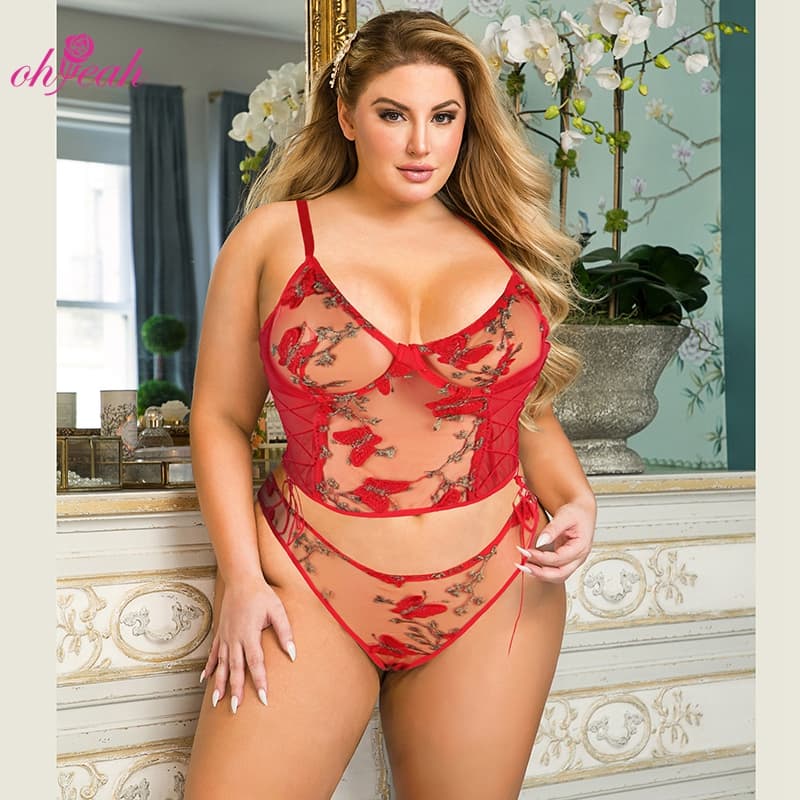
Most plus-size bras need replacing every six to nine months of regular wear, not the eighteen months you may have heard. The shorter lifespan is real, it is engineering rather than wishful thinking, and waiting too long to replace a worn bra creates the back pain, shoulder pain, and silhouette problems that women often blame on their bodies. Here are the signs to watch for.
Why Plus-Size Bras Wear Out Faster
A bra band carries support load. The bigger the bust, the bigger the load. Elastic fatigues under load over time; the higher the load, the faster the fatigue. A 40DD bra band carries roughly five times the load of a 32B band. The elastic loses recovery five times faster.
This is why generic 'bras last twelve to eighteen months' advice is misleading for plus-size shoppers. The advice was developed against straight-size load assumptions. Plus-size load assumptions give you six to nine months of regular wear from a typical bra, longer if you rotate well, shorter if you wear the same bra repeatedly.
The Six Signs Your Bra Is Past Its Lifespan
1. The band feels loose even on the tightest hook
Bras are designed to be worn on the loosest hook when new. As the band relaxes, you tighten by moving inward to the next hook. When the tightest hook (innermost) no longer feels snug, the band has lost its elasticity. This is the most reliable sign of end-of-life.
2. The band rides up the back during the day
A new bra band stays parallel to the floor through normal movement. When the band consistently ends the day higher in the back than the front, the elastic has fatigued. The band is no longer holding its tension against gravity. The straps are now carrying load they were not designed for, which causes shoulder pain and digging.
3. The straps no longer adjust to the right length
Strap elastic loses tension before band elastic does in many bras. If you find yourself shortening the straps further every few weeks to maintain the same fit, the strap elastic is stretching. Eventually the straps reach the shortest setting and still feel loose.
4. The cup fabric pills, fades, or feels rough
Cup fabric and lace deteriorate from washing, body oils, and friction. Visible pilling (small fabric balls), fading colour, or a rougher hand than the bra had originally are all signs of fabric degradation. The bra may still fit but it no longer looks or feels new.
5. Underwire pokes through the casing
Underwire is encased in fabric channelling at production. After many washes and many wears, the fabric channelling can wear through and the wire end pokes out. This is a definitive end-of-life sign; the bra cannot be worn safely once the wire is exposed.
6. Visible damage anywhere on the bra
Tears in the lace, broken straps, missing hooks, lifted seams. Some can be repaired (a tailor can re-stitch a strap or replace a hook), but most signal that the bra has been worn enough that other parts are likely also worn. Repair makes sense for occasion pieces; everyday bras at the same wear level should be retired.
The Lifespan Math
Under typical wear conditions, plus-size bras follow this lifespan pattern:
| Wear pattern | Expected lifespan |
|---|---|
| Rotation of 5+ bras, gentle washing, air drying | 12-18 months |
| Rotation of 3-4 bras, gentle washing, air drying | 9-12 months |
| Rotation of 3 bras, machine washing in mesh bag, air drying | 6-9 months |
| Single bra worn most days, machine washing, machine drying | 3-6 months |
| Sports bra (high-impact wear) | 6-9 months regardless of rotation |
How to Extend Bra Lifespan
- Rotate bras with at least 24 hours between wears.
- Hand wash in cool water with gentle detergent. If machine washing, use a mesh laundry bag on a delicate cycle.
- Never put bras in the dryer. Air dry flat or hung from the centre piece, not from the straps.
- Avoid fabric softener, which breaks down elastic.
- Avoid bleach, which damages elastic and dyes.
- Do not wring or twist; press water out gently with a towel.
- Store on a flat surface or hung from the centre piece, not folded with cups stacked (which damages moulded cups).
When to Replace Even Without Damage
Sometimes a bra needs replacing not because it is damaged but because your body has changed:
- Significant weight change (gain or loss of more than five kilograms typically requires re-measurement).
- Pregnancy or postpartum (bra size often changes; old bras may not fit).
- Perimenopause (rib cage expansion can move you up one band size).
- Surgery affecting the chest area (bilateral mastectomy, breast reduction or augmentation).
- Significant fitness change (muscle gain in the back can affect band fit).
What to Do With Old Bras
- Donate gently used bras to organisations that distribute them to women in need (many shelters and reproductive health charities accept lingerie donations).
- Recycle worn-out bras through bra-recycling programs (many lingerie retailers offer take-back programs).
- Repurpose for non-wear uses (the underwire can be removed and recycled; the fabric can be used for craft projects).
- Avoid throwing bras in regular trash; the metal underwire makes them poor candidates for landfill.
Frequently Asked Questions
- How often should I replace my bras?
For plus-size bras, every six to nine months of regular wear is typical. With a good rotation of five or more bras, gentle washing, and air drying, you can extend lifespan to twelve to eighteen months. Sports bras and full-bust bras tend to wear faster than smaller everyday bras.
- Why do plus-size bras wear out faster than smaller bras?
Because the support load is significantly greater. A larger bust applies more tension to the band, which causes the elastic to fatigue faster. The advice that 'bras last twelve to eighteen months' is based on straight-size load assumptions and overestimates the lifespan of plus-size bras under normal wear.
- What is the most reliable sign that a bra needs replacing?
When the band feels loose even on the tightest hook. Bras are designed to be worn on the loosest hook when new. When the tightest hook no longer holds the band snug, the elastic has lost its recovery and the bra is past its lifespan.
- Can I extend my bra lifespan with careful washing?
Yes, significantly. Hand washing in cool water, air drying, avoiding fabric softener and bleach, and rotating bras can double or triple the lifespan compared to machine washing and drying. The investment in care pays off in cost-per-wear.
- Should I replace bras after a body change?
Yes, after significant weight change, pregnancy, postpartum, perimenopause, or surgery. The body changes mean that previously well-fitting bras no longer fit, and forcing yourself into the wrong size creates the discomfort and silhouette problems a properly fitting new bra would solve.