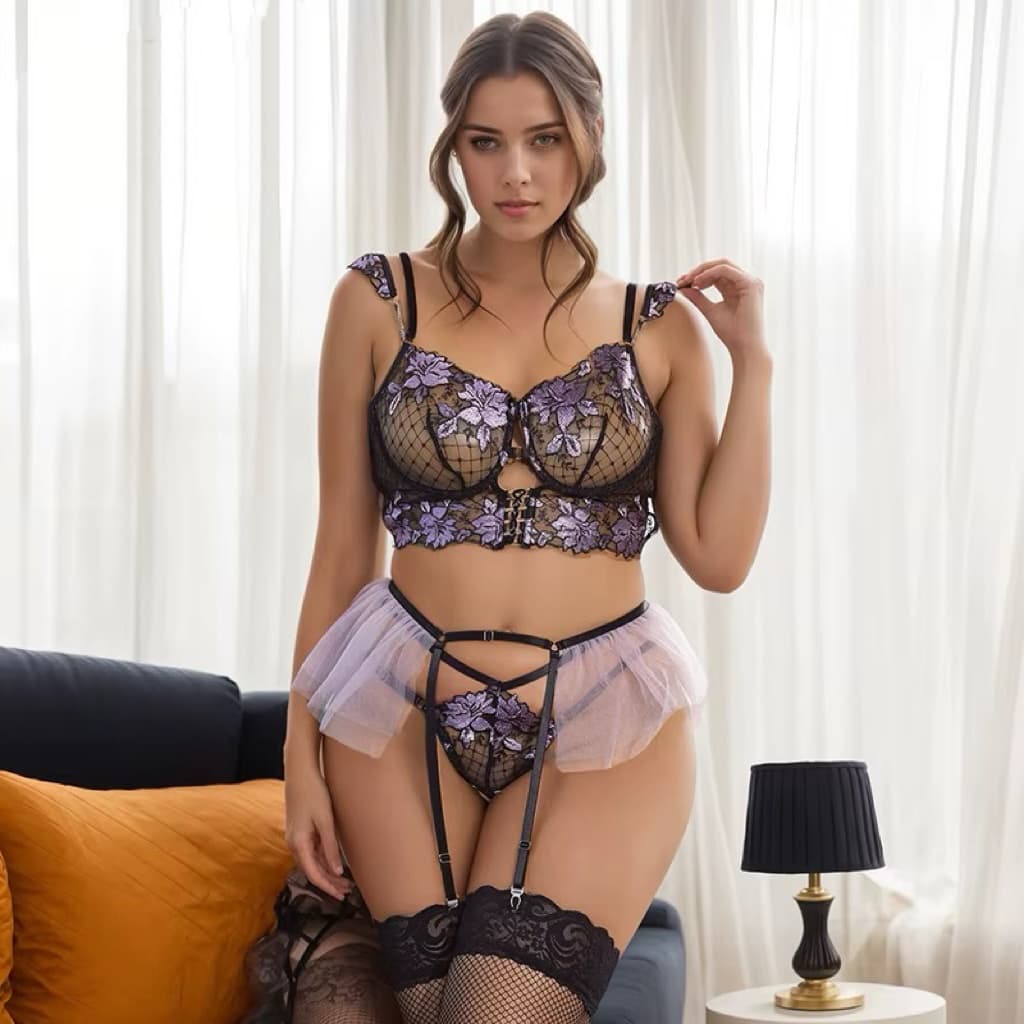
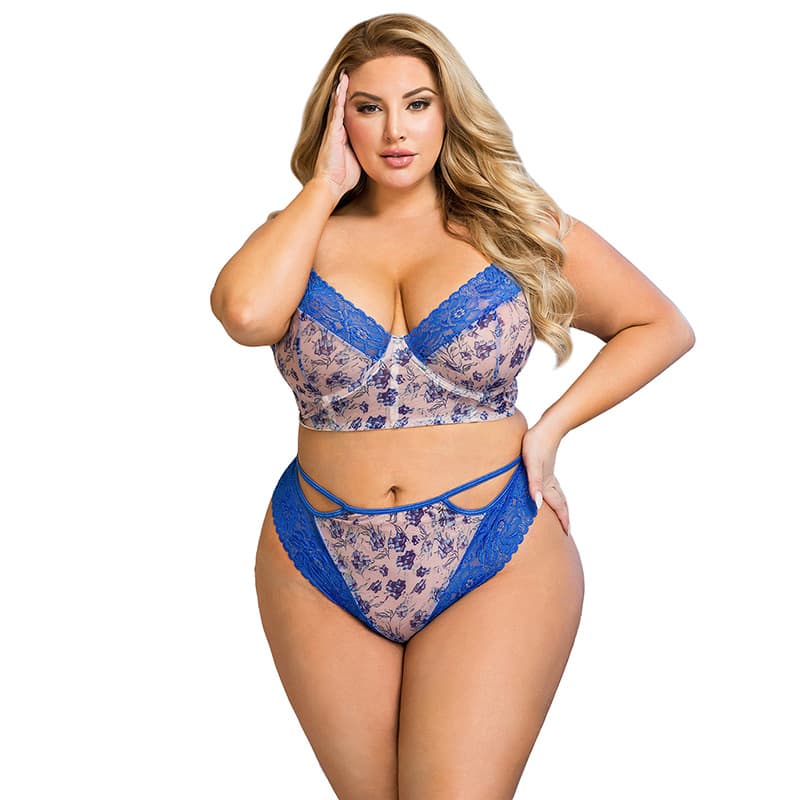
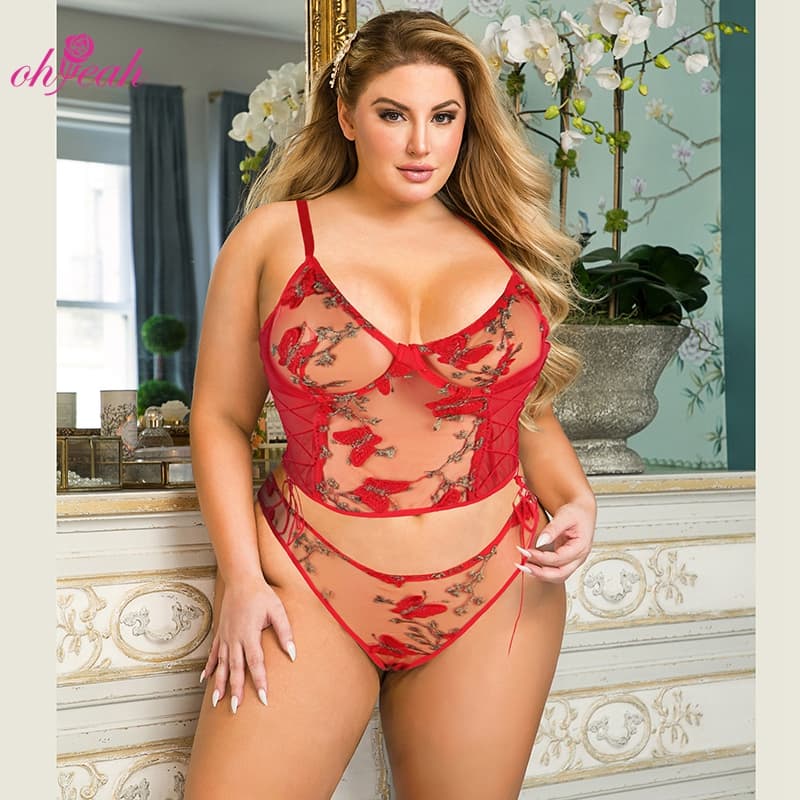
Brand and Cultural Context
The Body-Positive Lingerie Movement: How Marketing Caught Up to Reality
For most of the twentieth century, lingerie marketing showed one body type. The shift to representing all bodies happened recently and incompletely. The body-positive lingerie movement is both a marketing trend and a customer-led demand for representation, and where it sits today is more nuanced than the marketing campaigns suggest.
Where the Movement Started
Body positivity as an organised movement traces back to the 1960s fat acceptance movement, but its application to lingerie marketing is much more recent. Through the 1990s and 2000s, plus-size lingerie was marketed in segregated catalogues, utility-focused packaging, and rarely featured in mainstream campaigns. The movement to centre plus-size and body-diverse models in primary lingerie marketing largely begins in the 2010s.
Three forces converged to create the shift:
- Social media gave plus-size women a platform to challenge the visual norms of mainstream lingerie. Instagram, in particular, allowed plus-size influencers to build large audiences that legitimised plus-size visibility independent of brand marketing.
- Direct-to-consumer brands launched without legacy commitments to the thin-white-model template, often centring plus-size and diverse representation from launch (Savage X Fenty being the highest-profile example).
- Customer pressure mounted on legacy brands. Petitions, social media campaigns, and concerted public criticism forced mainstream brands to respond.
What the Movement Has Achieved
The visible changes in lingerie marketing since 2018 are significant:
- Plus-size models appear in primary campaigns for major brands rather than only in plus-size-specific marketing.
- Size ranges have expanded across most mainstream brands, with many now offering pieces from XS to 4XL or beyond.
- Marketing language has shifted from euphemistic ('curvy', 'real women') to direct ('plus size', size numbers).
- Plus-size women appear in fashion shows, brand-ambassador campaigns, and editorial features more than at any previous point in lingerie history.
- Body-positive campaigns are common across both speciality and mainstream brands.
What the Movement Has Not Yet Achieved
The marketing visibility has outpaced the underlying product changes:
- Many brands market plus-size inclusion while continuing to sell straight-size patterns scaled up to larger sizes. The marketing reflects a value the product does not yet deliver.
- Premium plus-size lingerie remains harder to find and more expensive than equivalent straight-size pieces.
- Sizing inconsistency between brands makes plus-size shopping more difficult than it should be.
- Plus-size sizes still sell out faster than straight-size sizes at most major brands, indicating production volumes that under-meet demand.
- Body-positive marketing tends to feature smaller plus-size bodies (size 14 to 18) more than larger plus-size bodies (size 22 and above).
- The movement has barely engaged with intersectional considerations: plus-size disabled women, plus-size women of colour, plus-size trans women, plus-size older women all remain under-represented even within body-positive marketing.
Marketing vs Engineering
The single most important framing for understanding the body-positive lingerie movement today is the gap between marketing and engineering. Brands can produce body-positive marketing campaigns without changing how they engineer their plus-size products. The marketing change is easier and cheaper than the engineering change.
When evaluating a brand, look past the marketing to the actual product:
- Are the plus-size pieces engineered for plus-size proportions, or scaled up from straight-size patterns?
- Does the brand consistently stock the largest sizes, or are 4XL and 5XL more often unavailable?
- Do customer reviews from women in your size range mention fit consistency, or do they describe persistent problems?
- Does the brand's plus-size product photography show the pieces on bodies similar to yours, or only on smaller plus-size bodies?
The Customer's Role
The body-positive lingerie movement has been driven primarily by customer pressure, not by brand-led innovation. The brands that lead on plus-size representation today are typically responding to customer demand rather than originating it. This means individual customer choices matter:
- Buying from brands that genuinely engineer for plus-size validates that approach and funds further investment.
- Returning ill-fitting pieces and providing specific feedback signals to brands what their plus-size products actually need.
- Reviewing pieces honestly with size context helps other plus-size shoppers and pressures brands to improve.
- Following plus-size lingerie reviewers and influencers who hold brands accountable amplifies that accountability.
- Talking openly about lingerie fit and body positivity with friends and online communities normalises the conversation and builds further pressure for change.
What Genuine Body-Positive Lingerie Looks Like
The signs of a genuinely body-positive brand go beyond marketing imagery:
- Consistent size range across the full plus-size spectrum, not just sizes 14 to 18.
- Plus-size construction details (band width, hook count, sectional cups, padded straps) at every size in the range.
- Plus-size models in primary marketing for the brand as a whole, not in plus-size-specific campaigns.
- Customer service trained to handle plus-size fit questions specifically.
- Return and exchange policies that accommodate the higher fit-uncertainty of plus-size shopping.
- Diverse plus-size representation across body shape, age, race, and ability.
- Transparent sizing information, including detailed measurements and fit-model body data.
Where The Scarlett Club Stands
The Scarlett Club was built on the principle that body-positive marketing without body-positive engineering is hollow. Every piece in the range is designed from the start for plus-size proportions, with construction details (band widths, gusset depths, multi-hook closures) drafted on plus-size blocks. The marketing reflects what the product delivers; the product is not designed to chase the marketing.
The Honest Summary
The body-positive lingerie movement has changed mainstream marketing significantly in the last decade. It has not yet changed mainstream engineering to the same extent. The gap between the two is where most plus-size shopping frustration lives today. The movement's next phase requires brands to invest in the engineering work behind the marketing claims, not just the visible representation. Customer choices and continued accountability are how that next phase happens.
Frequently Asked Questions
- What is the body-positive lingerie movement?
A customer-led movement to increase representation of plus-size and body-diverse women in lingerie marketing and product development. It emerged from earlier body acceptance movements and accelerated in the 2010s through social media visibility, direct-to-consumer brand launches, and sustained customer pressure on legacy brands.
- Has the body-positive movement changed lingerie marketing?
Significantly, since around 2018. Plus-size models now appear in primary mainstream campaigns. Size ranges have expanded. Marketing language has shifted to be more direct about size inclusion. Plus-size lingerie is more visible than at any previous point in the industry's history.
- Has it changed how lingerie is engineered?
Less than the marketing suggests. Many brands market plus-size inclusion while continuing to sell straight-size patterns scaled up to larger sizes. The engineering shift to design for plus-size proportions from the start has lagged the marketing shift. The gap between marketing claims and product reality is where most plus-size shopping frustration lives today.
- How can I tell if a brand is genuinely body-positive?
Look past the marketing imagery to the product. Check whether the plus-size pieces are engineered for plus-size proportions (band widths, hook counts, sectional cups). Check whether the brand consistently stocks the full size range. Read customer reviews from women in your size range. A brand can produce body-positive marketing without changing the underlying engineering; the engineering is what matters for fit.
- What can plus-size shoppers do to support the movement?
Buy from brands that genuinely engineer for plus-size, return ill-fitting pieces with specific feedback, write honest reviews with size context, follow plus-size lingerie reviewers who hold brands accountable, and talk openly about lingerie fit. Customer choices and sustained accountability are how the movement's next phase happens.