Materials and Construction
Cotton vs Lace vs Microfiber Panties: Which Fabric Belongs in Your Drawer
Cotton breathes. Lace looks beautiful. Microfiber stays invisible under clothing. Most plus-size drawers need all three because each fabric does something the others cannot. Here is what each one does well, what it does badly, and how to choose between them on a given day.
Cotton Panties
Cotton is the original everyday panty fabric. It is breathable, hypoallergenic, soft against the skin, and machine-washable. For sleep, lounge, hot weather, and everyday wear, cotton is the most comfortable and most durable choice.
What cotton does well
- Breathability: cotton allows air movement, which keeps the body cooler and reduces moisture buildup.
- Softness: high-quality cotton (combed cotton, Egyptian cotton, organic cotton) becomes softer with washing.
- Hypoallergenic: cotton triggers fewer skin reactions than synthetic fabrics.
- Durability: cotton holds up to many wash cycles; cotton panties last longer than most other fabrics.
- Heat tolerance: cotton can be washed in hot water if needed (which most synthetic fabrics cannot).
What cotton does badly
- Visibility under thin clothing: cotton has a slightly nubby surface texture that shows through thin stretch fabrics.
- Slow drying: cotton holds moisture longer than synthetic fabrics, which means less ideal for sweaty workouts.
- Less stretch: cotton has limited natural elasticity (it needs blending with elastane to stretch).
- Pill formation: cotton can develop small fabric balls (pills) over time, particularly if washed roughly.
When to choose cotton
Sleep, lounge, hot weather, sensitive skin, anytime invisibility under clothing is not the priority. A plus-size cotton panty in a brief or hipster cut is the foundation of any everyday drawer.
Lace Panties
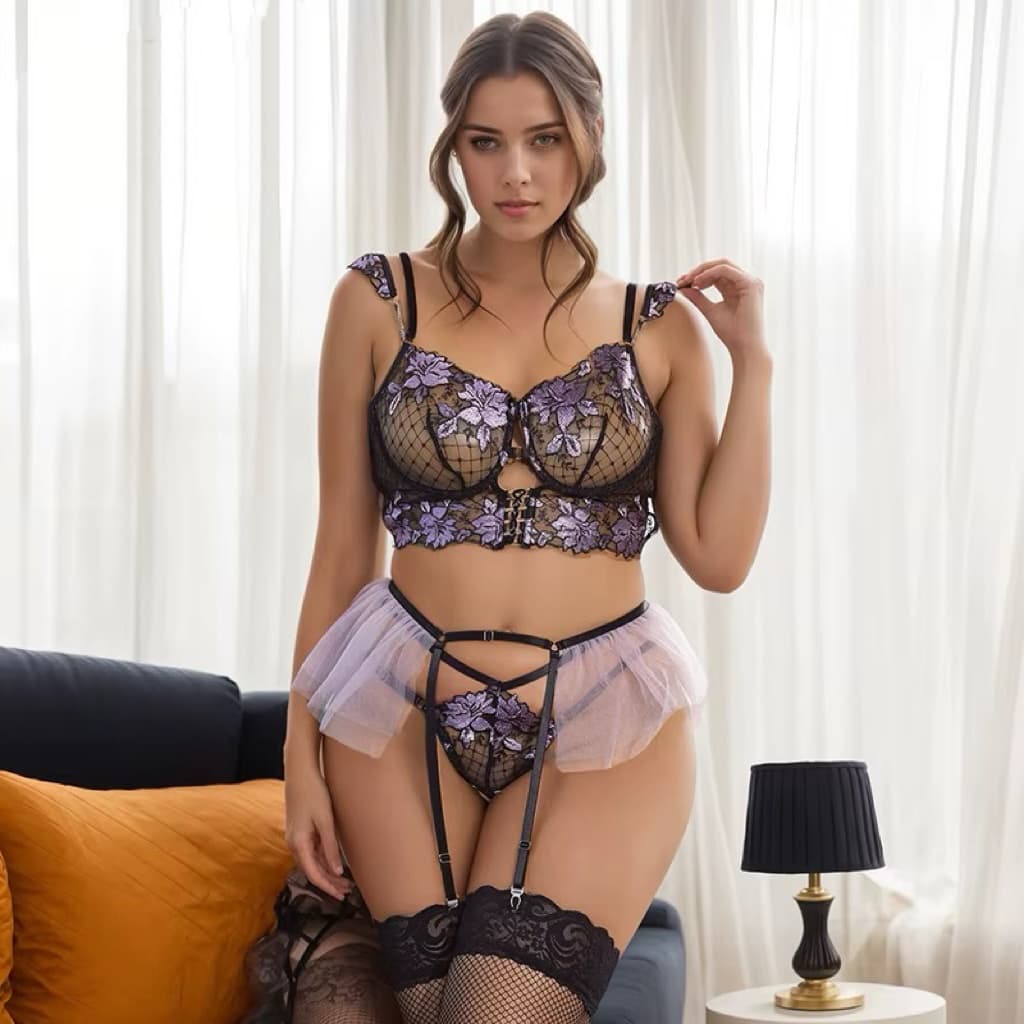
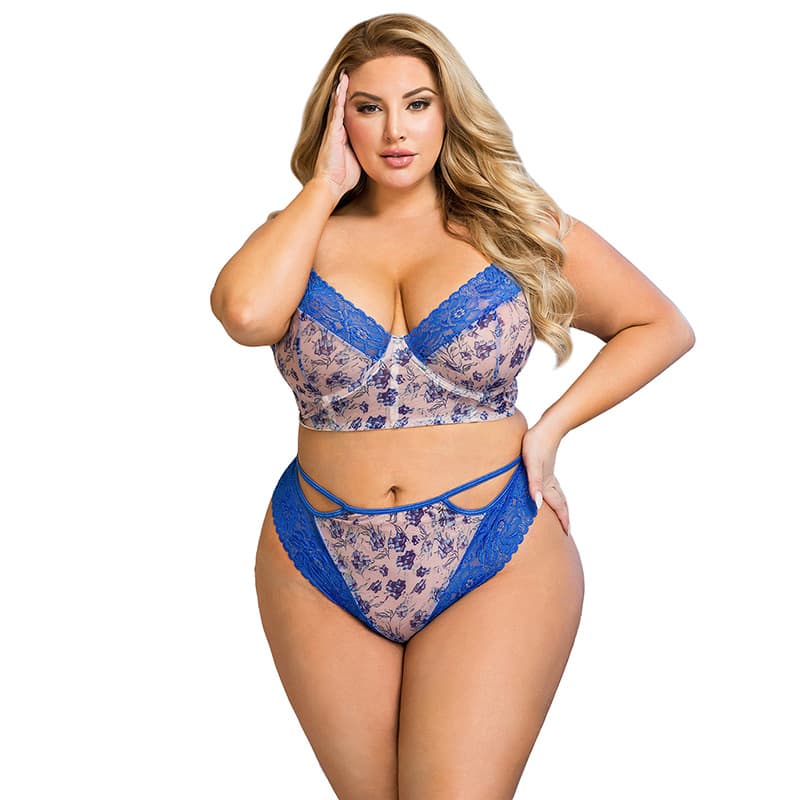
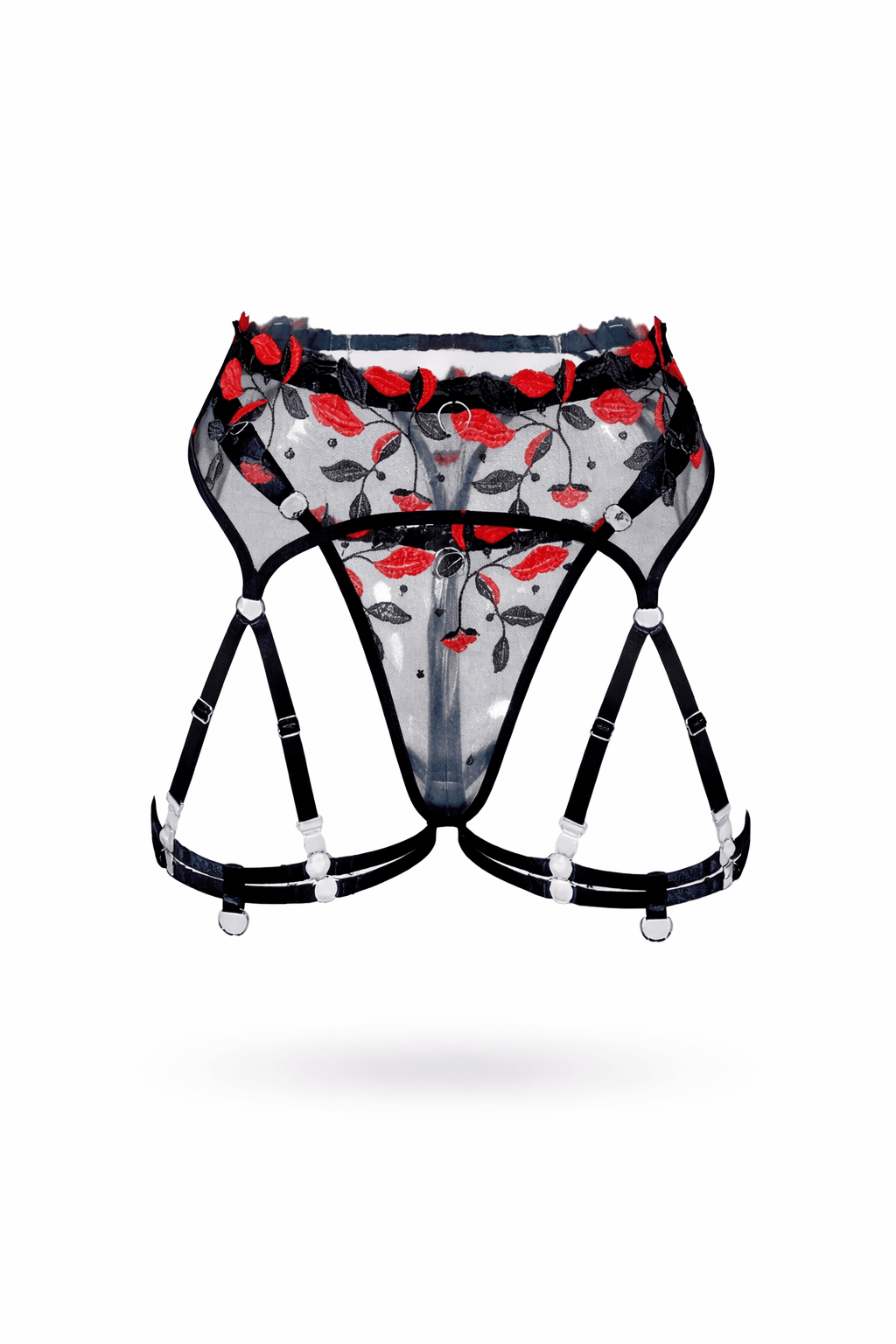
Lace is a construction style rather than a fabric. Most plus-size lace panties are made from a blend of nylon and elastane (sometimes with cotton or polyester) woven into the lace pattern. The result is delicate, decorative, and stretchy.
What lace does well
- Aesthetic: lace is the most visually beautiful panty fabric, designed to be seen.
- Stretch: most lace panties have significant elastic content, giving four-way stretch and conforming fit.
- Coordination: lace pairs naturally with lace bras, so lace panties anchor a full lingerie set.
- Cooling: lace has open structure that allows airflow, which can be cooler than solid fabrics.
- Layering: lace can be visible under sheer or partially-sheer outerwear as an intentional styling choice.
What lace does badly
- Visibility under clothing: the lace pattern shows through any thin or fitted fabric. Lace is the most visible panty type under leggings.
- Durability: lace is more delicate than cotton or microfiber and requires gentler washing.
- Sensitivity: scratchy lace seams can irritate sensitive skin, particularly at the leg openings.
- Cost: high-quality lace panties cost more than equivalent cotton or microfiber.
- Care: lace usually requires hand washing or mesh-bag machine washing on delicate cycle.
When to choose lace
Lingerie sets, romantic occasions, when the panty is part of the look rather than invisible support, anytime aesthetics outweigh invisibility. Plus-size lace panties from brands that engineer for the size run (with smooth stretch lace and bonded edges) are also wearable for everyday by women who simply prefer lace.
Microfiber Panties
Microfiber refers to ultra-fine synthetic fabric (usually polyester or polyamide) that creates a smooth, lightweight panty. Microfiber is the modern default for invisibility under fitted clothing.
What microfiber does well
- Invisibility: microfiber has a smooth surface that shows minimal fabric texture under any clothing.
- Quick drying: microfiber dries faster than cotton, which suits workouts and travel.
- Stretch: microfiber blends with elastane create excellent four-way stretch.
- Lightweight: microfiber panties are noticeably lighter than cotton or lace.
- Smoothing: microfiber slides under clothing without bunching or creating drag.
What microfiber does badly
- Breathability: microfiber traps heat and moisture more than cotton, which can be uncomfortable in hot weather or long wear.
- Skin contact: some microfiber feels less natural against the skin than cotton.
- Sustainability: microfiber is synthetic and contributes to microplastic shedding in laundry.
- Lifespan: microfiber tends to lose its smoothness after many washes.
- Hypoallergenic concerns: some skin types react to synthetic fibres.
When to choose microfiber
Under fitted clothing (leggings, bodycon dresses, pencil skirts), workouts, travel, anytime invisibility is the priority. Microfiber is the modern everyday panty for those who prioritise invisible silhouette over breathability.
Side-by-Side Comparison
| Property | Cotton | Lace | Microfiber |
|---|---|---|---|
| Breathability | Best | Good | Lower |
| Invisibility under fitted clothing | Lower | Lowest | Best |
| Aesthetic | Plain | Best | Plain |
| Comfort against skin | Best | Variable | Good |
| Stretch | Lower without blends | Best | Best |
| Durability | Best | Lower | Good |
| Care difficulty | Easiest | Hardest | Easy |
| Cost | Lower | Highest | Mid |
| Best occasion | Everyday, sleep, hot weather | Lingerie sets, romantic | Under fitted clothing |
What a Balanced Plus-Size Panty Drawer Looks Like
Most plus-size women benefit from a mix:
- Five to seven cotton panties in everyday cuts (brief, hipster, boyshort) for daily wear, sleep, and hot weather.
- Three to five microfiber panties in seamless cuts (thong, bikini, brief) for under fitted clothing and workouts.
- Two to four lace panties in coordinated colours for lingerie sets, romantic occasions, and days when you want the aesthetic boost.
- One or two compression or shaping briefs for under bodycon dresses and special occasions.
For more on building a starter wardrobe, see the plus-size lingerie starter wardrobe.
Frequently Asked Questions
- Is cotton or microfiber better for plus-size panties?
Both, for different uses. Cotton is more breathable and comfortable for everyday wear, sleep, and hot weather. Microfiber is more invisible under fitted clothing and quicker-drying for workouts. Most plus-size drawers benefit from owning both.
- Why does lace show through my leggings?
Lace has a textured pattern that shows through any thin stretch fabric. Lace is the worst panty fabric for invisibility under leggings or fitted clothing. For invisible panty lines, choose seamless microfiber instead.
- Which panty fabric is best for sensitive skin?
Cotton, particularly organic or undyed cotton. Cotton is hypoallergenic and triggers fewer skin reactions than synthetic fibres. Some lace panties have scratchy seams that can irritate sensitive skin; check the seam construction before buying.
- Are microfiber panties safe to wear daily?
Generally yes, but switching between microfiber and cotton through the week is healthier than wearing microfiber every day. Cotton breathes better and reduces moisture buildup, which lowers the risk of irritation. Many gynaecologists recommend cotton or cotton-gusseted panties for daily wear.
- How long do lace panties last?
With careful washing (hand wash or mesh bag on delicate cycle) and air drying, quality lace panties last six to eighteen months of regular wear. Lace is more delicate than cotton or microfiber and shorter-lived if washed roughly. For longer life, hand-wash and air-dry.