Comparisons
Lingerie Sets vs Buying Separates: Which Approach Builds a Better Drawer
Buying a coordinated lingerie set or buying pieces separately are two valid approaches to building a plus-size lingerie wardrobe. Both produce a complete drawer; they prioritise different things. Here is when each approach wins.
What 'Set' and 'Separates' Mean
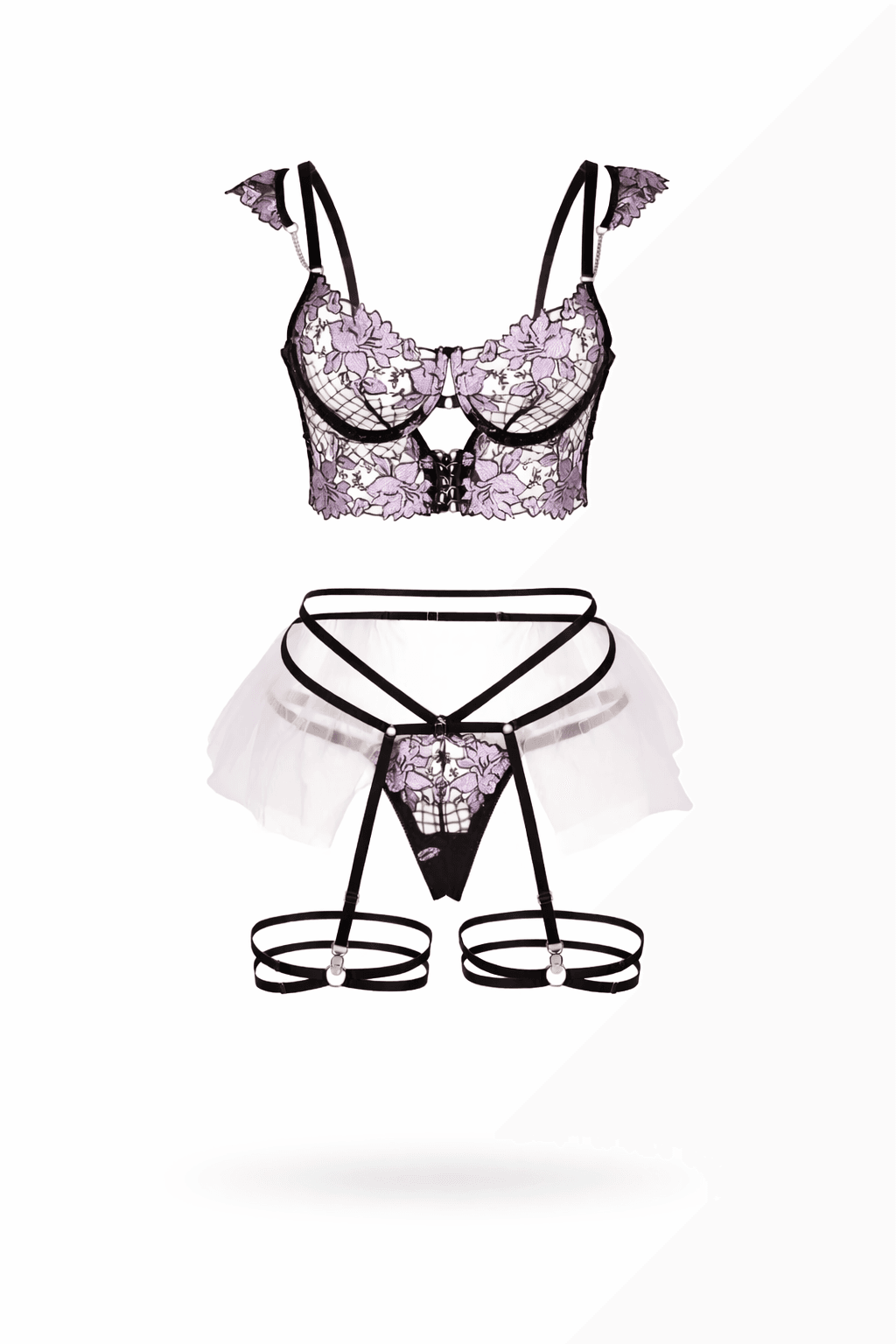
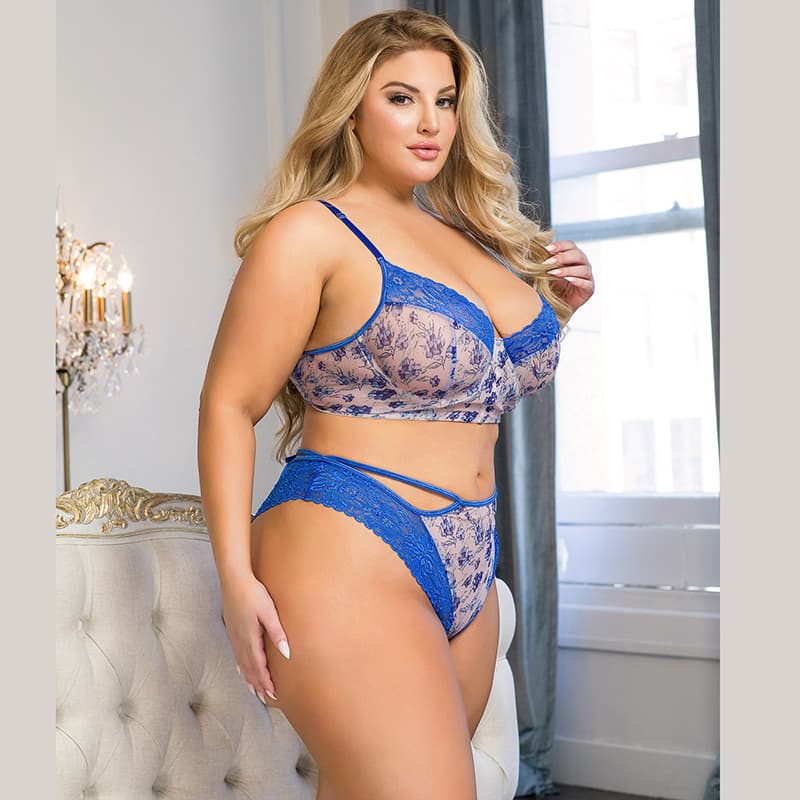
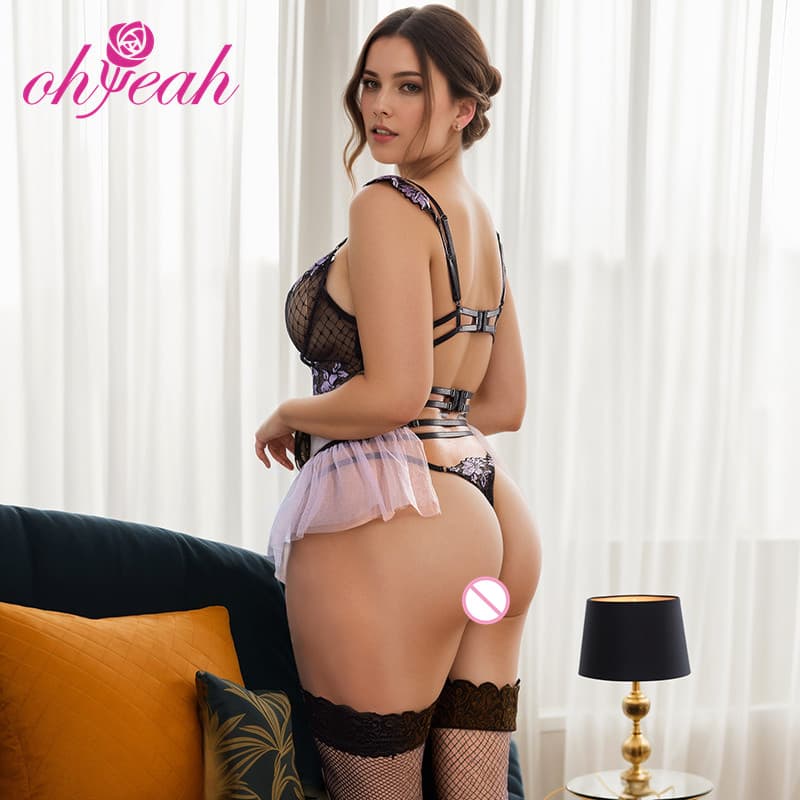
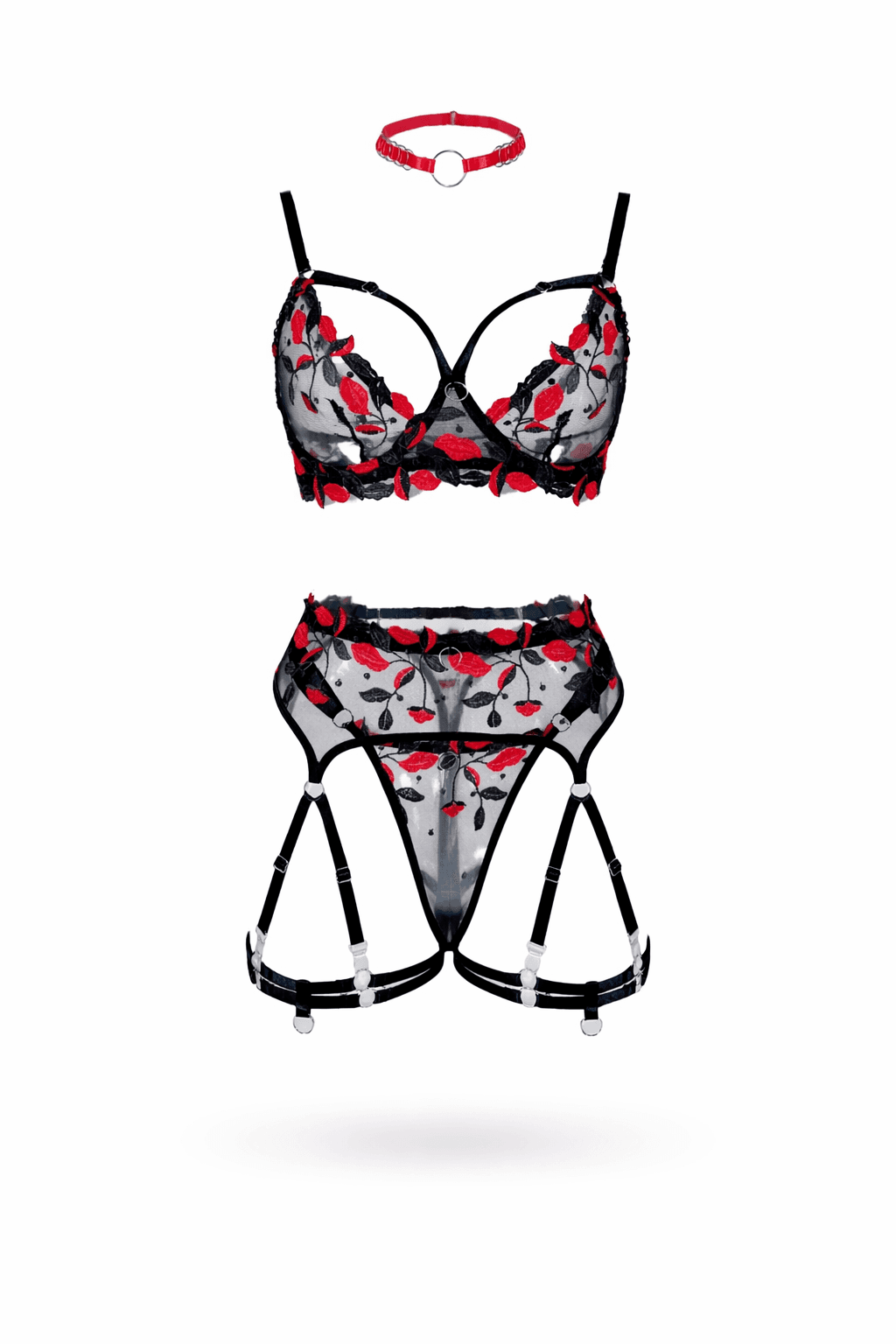
A lingerie set is a coordinated bundle: a bra and panty in matching fabric, colour, and trim, sometimes with additional pieces (kimono, garter belt). The pieces are designed to be worn together as a complete look.
Buying separates means choosing the bra and the panty independently, often from different collections or brands. The pieces may not match exactly but each one is chosen for its specific job.
When Sets Win
1. Special occasions
For wedding nights, anniversaries, photo shoots, or any moment where the lingerie is the look, a coordinated set is the right choice. The visual cohesion matters; the pieces should look like they belong together.
2. Gifts
Sets gift better than separates. The recipient gets a complete look in one purchase rather than having to find a coordinating piece.
3. Visual storytelling
If aesthetics are the primary goal, a set creates a more cohesive image than even thoughtfully matched separates. Lace, mesh, and satin sets all benefit from visual unity.
4. Value at the entry tier
Sets often offer a small price advantage over buying the same pieces separately, particularly at the lower-mid price tier. The brand bundles the pieces together for a discount versus separates pricing.
5. When you want to coordinate without thinking
If matching pieces is a chore, sets remove the decision. You buy the set, you wear the set together, you do not have to think about coordination.
When Separates Win
1. Bra and panty sizes are far apart
If you wear a 38D bra and a size XL panty, finding sets that offer both in the right sizes can be limited. Separates let you order each piece in its actual best fit, even if they come from different sources.
2. Specific fit needs
Bras are highly fit-sensitive. The bra you love may come from a specialist full-bust brand that does not make matching panties. Separates let you keep that bra and pair it with panties from a different source.
3. Mixing materials and weights
You may want a structured bra in microfiber but prefer cotton panties for breathability. Sets force the same fabric on both pieces; separates let you optimise each one.
4. Daily wardrobe rather than occasion wear
For everyday wear where the bra and panty are not seen together (the panty changes daily, the bra rotates every few days), the matching aesthetic of a set is wasted. Separates serve daily wear better.
5. Building a colour-coordinated drawer
If your strategy is to own all panties in a few specific colours and all bras in a different few specific colours (so any panty matches any bra in your colour scheme), separates fit better than sets.
The Hybrid Approach
Most realistic plus-size wardrobes use both. A typical pattern:
- Two or three coordinated sets for occasions (special days, romantic moments, gifts to yourself).
- Five to seven everyday bras chosen for fit and function rather than visual coordination.
- Ten or more everyday panties in coordinated colour scheme so any pairing looks intentional.
- One or two specialty pieces (sports bra, strapless, shaping piece) chosen as separates.
Side-by-Side Comparison
| Goal | Better choice |
|---|---|
| Special occasion / wedding night | Set |
| Daily comfort and fit | Separates |
| Gift | Set |
| Building a complete starter wardrobe | Mix (1-2 sets + separates) |
| Bra and panty sizes far apart | Separates |
| Wanting consistent matching | Set |
| Specific specialty bra needs | Separates |
| Photography or visual moments | Set |
| Optimising fabric (cotton vs lace) | Separates |
| Limited budget for occasional dressing | Set |
How to Build the Hybrid Wardrobe
- Start with separates for the foundation: two everyday bras, five everyday panties.
- Add one coordinated set in a colour you love for the first occasion piece.
- Add specialty pieces as separates as you discover specific needs (sports bra, strapless).
- Add a second coordinated set in a different colour or style as a wardrobe expansion.
- Maintain by replacing separates as they wear out and treating set pieces as longer-life occasion wear.
Frequently Asked Questions
- Should I buy lingerie sets or separates?
Both, in most cases. Sets work best for special occasions and gifts. Separates work best for daily fit and comfort. Most plus-size wardrobes benefit from owning two or three sets for occasions plus separates for everyday wear.
- Are lingerie sets a better value than separates?
Sometimes, at the lower-mid price tier. Sets often bundle the bra and panty for slightly less than buying the same pieces separately. At higher tiers, the price advantage narrows. Value depends on whether you would have bought both pieces separately anyway.
- What if my bra and panty sizes are very different?
Look for sets that offer independent bra and panty sizing (where you can order each piece in its own size), or buy separates. Many quality plus-size brands offer this; brands that bundle a set under a single S-M-L marker usually fit one piece poorly for most plus-size shoppers.
- Do I need matching lingerie for everyday wear?
No. The matching aesthetic of a set matters most when the lingerie will be seen together. For daily wear under clothing, the bra and panty rarely interact visually; comfort and fit matter more than coordination. Save matched sets for occasions.
- Can I create my own 'set' from separates?
Yes. Pair a bra and panty in similar colours, similar fabrics, or coordinated trims to create the look of a set without the limitation of pre-bundled sizing. Many plus-size women prefer this approach because it gives the visual cohesion of a set with the fit flexibility of separates.