Body Shape and Life Stage
Plus-Size Bras for a Larger Bust: What to Look For and What to Avoid
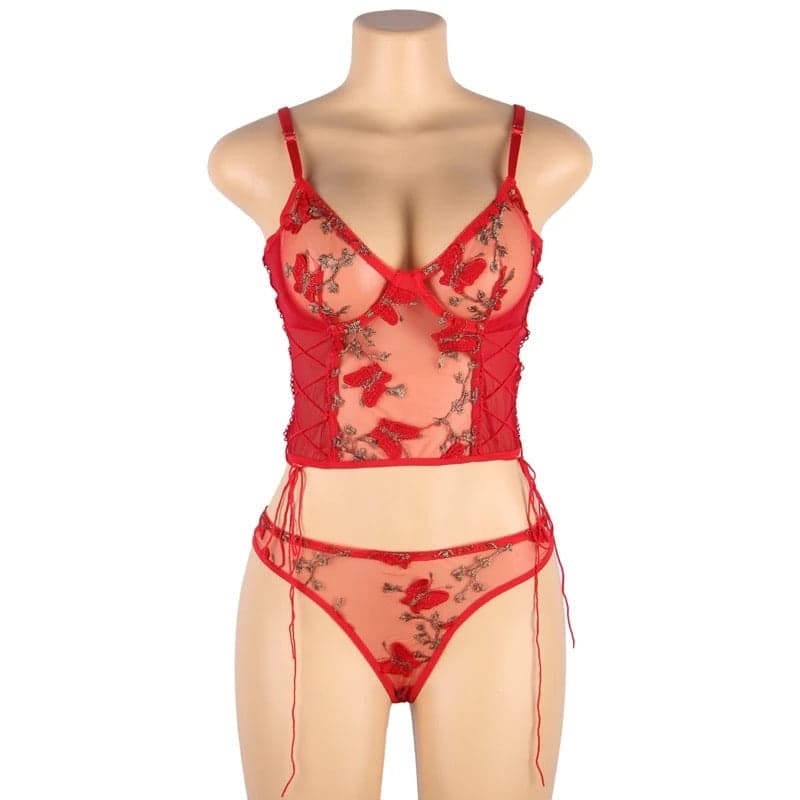
A larger bust on a plus-size frame is its own engineering problem. The support load is significant. The wire span has to be wider. The straps have to be wider. The band has to be both stronger and more comfortable. Most mass-market plus-size bras simply stop at a D cup; the truly engineered full-bust plus-size bras are a much smaller market segment, and worth knowing how to identify.
What 'Larger Bust' Means in Plus-Size Sizing
In bra sizing, a larger bust means a cup letter of E or above paired with a band of 38 or above. Combinations like 38E, 40F, 42E, 44F, 46DD, 48E, and 50F sit in this category. The cup volume at these sizes is significantly greater than at smaller cup-and-band combinations, and the engineering required to support that volume is correspondingly greater.
What to Look For in a Full-Bust Plus-Size Bra
1. Sectional cup construction
A cup made from three or four seamed panels rather than a single moulded piece. The seams allow the cup to lift and shape the bust into a separated, supported position. Moulded cups (single-piece foam construction) cannot provide the same lift on a larger bust because foam compresses under heavy load.
2. Wide underband (at least three centimetres at the back)
The band carries the support load. A wider band distributes that load across a larger surface area, reducing pressure points and back bulge. Five centimetres or wider for the largest cup sizes.
3. Multiple hook-and-eye rows (three or four)
Multiple hooks distribute the closing tension across a wider area, reducing the rate at which the band loses elasticity. Bras at the largest sizes often have four-hook closures.
4. Underwire designed for the size
The underwire on a full-bust plus-size bra is heavier-gauge metal than on smaller cup sizes, with a curve that matches the larger inframammary fold. Look for underwire that follows the natural fold and ends on the rib cage rather than at the underarm.
5. Wide, padded, adjustable straps
Straps for a larger bust should be at least 2 centimetres wide, padded for shoulder comfort, and fully adjustable. Look for straps that attach to the cup at a position that distributes the load across the strap width, not at a single point.
6. Reinforced gore
The centre piece between the cups carries lateral force when the bust is full. A reinforced gore (often with multiple layers of fabric or a stiff inner panel) keeps the cups separated and the gore lying flat against the breastbone.
7. Wing structure that prevents rolling
The side panels of the band on a full-bust bra need to be substantially constructed to prevent the band from rolling up or folding over during the day. Look for wings made from layered fabric or with internal panelling.
8. Strap attachment placement
Where the straps attach to the cup matters. For full-bust support, straps should attach toward the side of the cup rather than the centre, which provides better lift. This is a small construction detail that has a significant fit consequence.
Marketing Claims That Usually Do Not Deliver
- 'Maximum support' without specifying construction: meaningless without sectional cups, wide bands, and multiple hooks.
- 'Full coverage' on a moulded cup: full coverage is necessary but not sufficient; moulded cups cannot deliver full-bust lift.
- 'Wireless full-bust bra': wireless bras can work for full-bust with the right construction (sectional cups, wide structured bands), but most wireless bras marketed as full-bust are not engineered for cup sizes above DD.
- 'Plus-size bralette': bralettes are unstructured by design and almost never provide adequate support for cup sizes above C.
- 'Strapless full-bust': strapless bras at full-bust sizes require very specific construction (double-strap silicone bands, longline structure) and most do not deliver. Try in person before committing.
Sizing Strategy for a Larger Bust
- Get freshly measured. Underbust and bust measurements change with weight, age, and time. See how to measure bra size.
- Use sister sizes liberally. Brands run small or large at full-bust sizes, and your fit may sit in two or three sister-size combinations. See sister sizes explained.
- Buy the right band first. Eighty percent of full-bust support comes from the band. A correct band size is more important than a correct cup size.
- Try multiple cup styles. Sectional, balconette, plunge, and full-coverage cups each shape the bust differently. The right cup style for a larger bust depends on your bust shape (full-on-bottom vs full-on-top vs even). See plus-size bra cup gapping for the full bust-shape diagnosis.
- Replace bras every six to nine months. Full-bust bras carry more load and lose elastic recovery faster than smaller bras. See when to replace your bra.
When to Get Professionally Fitted
Full-bust fitting is a specialty area. If you have struggled to find a bra that fits comfortably across multiple brands, a fitting at a specialist plus-size or full-bust lingerie boutique is worth the time. Many brands now offer video fitting consultations as well.
Frequently Asked Questions
- What size is considered a large-bust plus-size bra?
A cup letter of E or above (DD, E, F, G, and beyond) paired with a band of 38 or above is the typical full-bust plus-size range. The Scarlett Club's Seraphina collection extends to 48F.
- Are wireless bras strong enough for a large bust?
Modern wireless plus-size bras with sectional cups and wide structured bands can provide real support up to about a G cup. For larger cups, underwire is usually still the more supportive option, though wireless full-bust technology is improving rapidly.
- Why does my full-bust bra dig into my shoulders?
Almost always because the band is too loose. With a larger bust, the support weight is significant, and a band that does not anchor the bra forces the straps to carry weight they were not designed for. The fix is a tighter band; sister-size down if needed. See why your bra straps dig in.
- What is the most supportive bra style for a large bust?
A sectional cup, full-coverage, underwire bra with a wide band (at least three centimetres) and three or four hook-and-eye rows. This combination provides the maximum support for a larger bust on a plus-size frame.
- How often should I replace a full-bust bra?
Every six to nine months of regular wear. Full-bust bras carry more load than smaller bras and the elastic loses recovery faster. Owning at least three bras in rotation gives each one rest days and extends overall lifespan.