Body Shape and Life Stage
Plus-Size Lingerie in Perimenopause: Hot Flashes, Body Changes, and Bra Fit
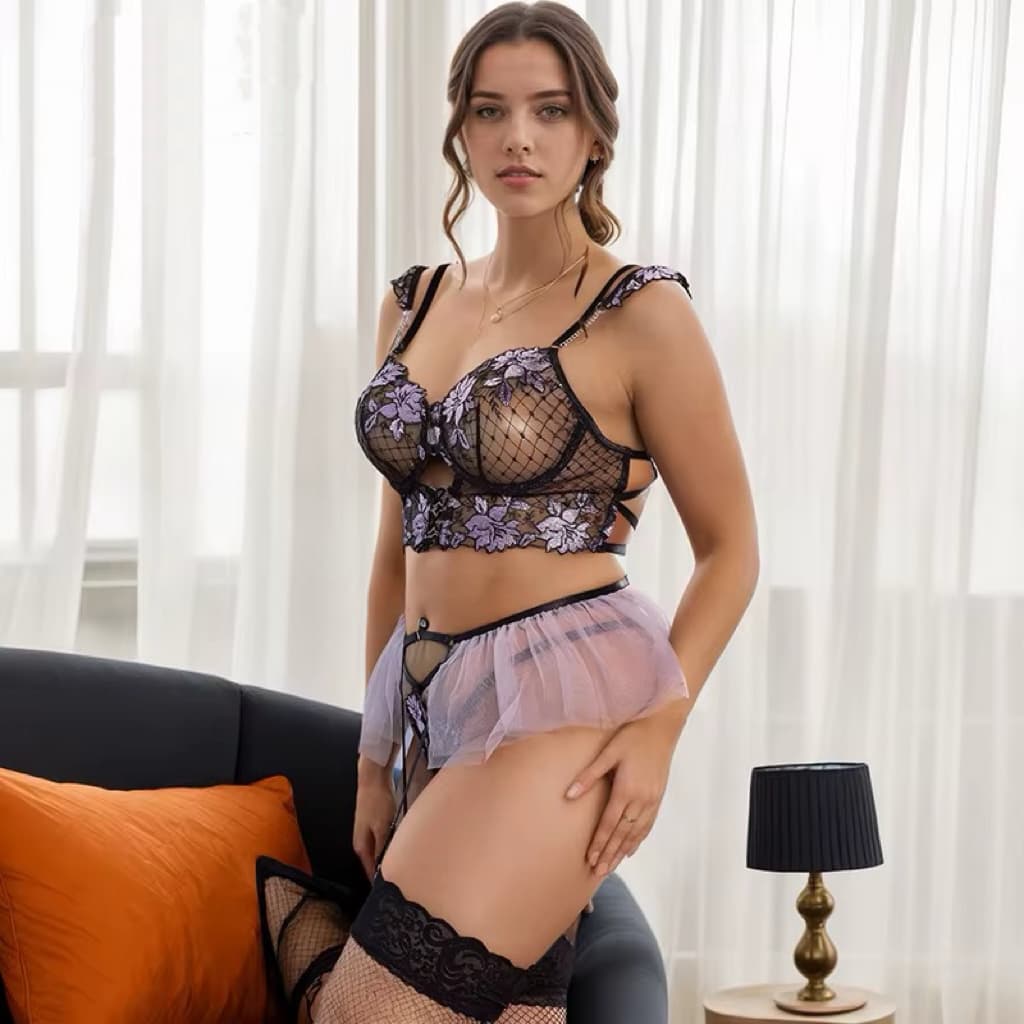
Perimenopause is the years-long transition before menopause, typically starting in the late thirties or forties and lasting four to ten years. During this period, the bust changes shape, the rib cage expands, sweat patterns change, and the skin becomes more sensitive. The plus-size lingerie that worked for years may stop working. Here is how to choose pieces that work with the shifts of midlife rather than against them.
What Changes During Perimenopause
Bust changes
Hormonal shifts cause the bust to change shape and density. Common changes:
- Cup size may increase or decrease, sometimes both at different points.
- Bust shape often shifts from rounder to fuller-on-bottom as connective tissue softens.
- Bust density can decrease, making the bust softer and less lifted.
- Asymmetry between the two sides may become more pronounced.
Rib cage and band changes
Hormonal changes can cause the rib cage to expand permanently by one band size. Many women find their underbust measurement is one or two centimetres larger by the end of perimenopause.
Skin sensitivity
Skin becomes more sensitive during perimenopause due to hormonal shifts. Lace seams, elastic edges, and synthetic fabrics that were comfortable for years can suddenly cause irritation.
Sweat and temperature
Hot flashes and night sweats are common. The lingerie that did not feel hot at thirty-five may feel suffocating at forty-five.
What to Wear: Bras
- Sectional cup bras: shape the changing bust into a lifted position better than moulded cups.
- Wireless bras with structured bands: comfort priority for an increasingly sensitive body.
- Cotton or bamboo cup linings: breathable, less likely to trigger heat sensitivity.
- Wider bands (at least three centimetres): distribute the support load comfortably across an expanding rib cage.
- Front-closure bras: easier on shoulder mobility, which can decline during perimenopause.
What to Wear: Panties
- Cotton panties for breathability.
- Higher rises that do not dig into a softening abdomen.
- Wider waistbands (at least 2.5 centimetres) that distribute pressure.
- Avoid synthetic fabrics if night sweats are an issue.
- Avoid lace seams at the leg openings if skin sensitivity has increased.
Re-Measuring Strategy
Re-measure every six months during perimenopause. The body is changing on a regular basis and a bra that fits in March may not fit in September. The signs that re-measurement is overdue:
- Bands that used to fit on the loosest hook now feel too tight on every hook.
- Cups that used to fit perfectly now show spillover or gapping.
- Pieces that felt comfortable now feel restrictive or scratchy.
- Visible compression marks at the end of the day where there were none before.
Build a Smaller Active Wardrobe
Perimenopause is a period of change. Investing in a large lingerie wardrobe that may not fit in six months is less practical than maintaining a smaller active rotation that you can refresh as your body changes.
- Three to five everyday bras in your current size, replaced as the size shifts.
- Five to seven everyday panties in your current size and preferred fabric.
- One or two special-occasion pieces if you want them; do not invest heavily until the body settles after menopause.
Specific Plus-Size Considerations
- Plus-size bodies often experience perimenopause changes more dramatically because of the larger initial bust and band size; small percentage changes translate to larger absolute changes.
- The rib cage expansion may push a plus-size woman from 40 to 42 or 42 to 44 in band size, which is a more noticeable shopping shift than for smaller-banded women.
- Hot flashes are more uncomfortable in heavier bras and longer-line lingerie. Lighter pieces may become daily wear during the warmest periods.
When to Re-Invest
After menopause is reached and the body has been stable for twelve months, the bust and band typically settle to a new long-term normal. That is the point to invest in a new full lingerie wardrobe in the post-menopause size. Until then, maintain a smaller active rotation.
Frequently Asked Questions
- Why does my bra not fit anymore in perimenopause?
The bust changes shape and size during perimenopause as connective tissue softens and hormonal levels shift. The rib cage often expands by one band size as well. Both changes can make pre-perimenopause bras stop fitting. Re-measure every six months and update sizes as your body changes.
- What bra is best for perimenopause hot flashes?
Lightweight wireless bras with breathable cup linings (cotton or bamboo) and structured bands. Avoid heavy padding, synthetic fabrics, and tight bands. Some women find that switching to bralettes during the warmest periods helps with hot flash discomfort.
- Should I switch to wireless bras in perimenopause?
Many women do, for comfort. The combination of skin sensitivity, rib cage expansion, and changing bust shape makes wireless bras with structured bands a comfortable choice. If you prefer the lift of underwire, modern flexible wires and softer wire shapes are improvements worth trying.
- How often should I re-measure during perimenopause?
Every six months. The body is changing on a regular basis through perimenopause, and a measurement from a year ago may no longer reflect your current size. Re-measure and update your size as needed; do not assume your size has remained stable.
- Should I invest in new lingerie during perimenopause?
Maintain a smaller active rotation rather than investing in a large wardrobe. Pieces that fit today may not fit in six to twelve months. After menopause is reached and the body has been stable for a year, that is the point to invest in a new full wardrobe in your settled size.