Cornerstone Definitions
What Is Plus-Size Lingerie? A Plain-Language Definition
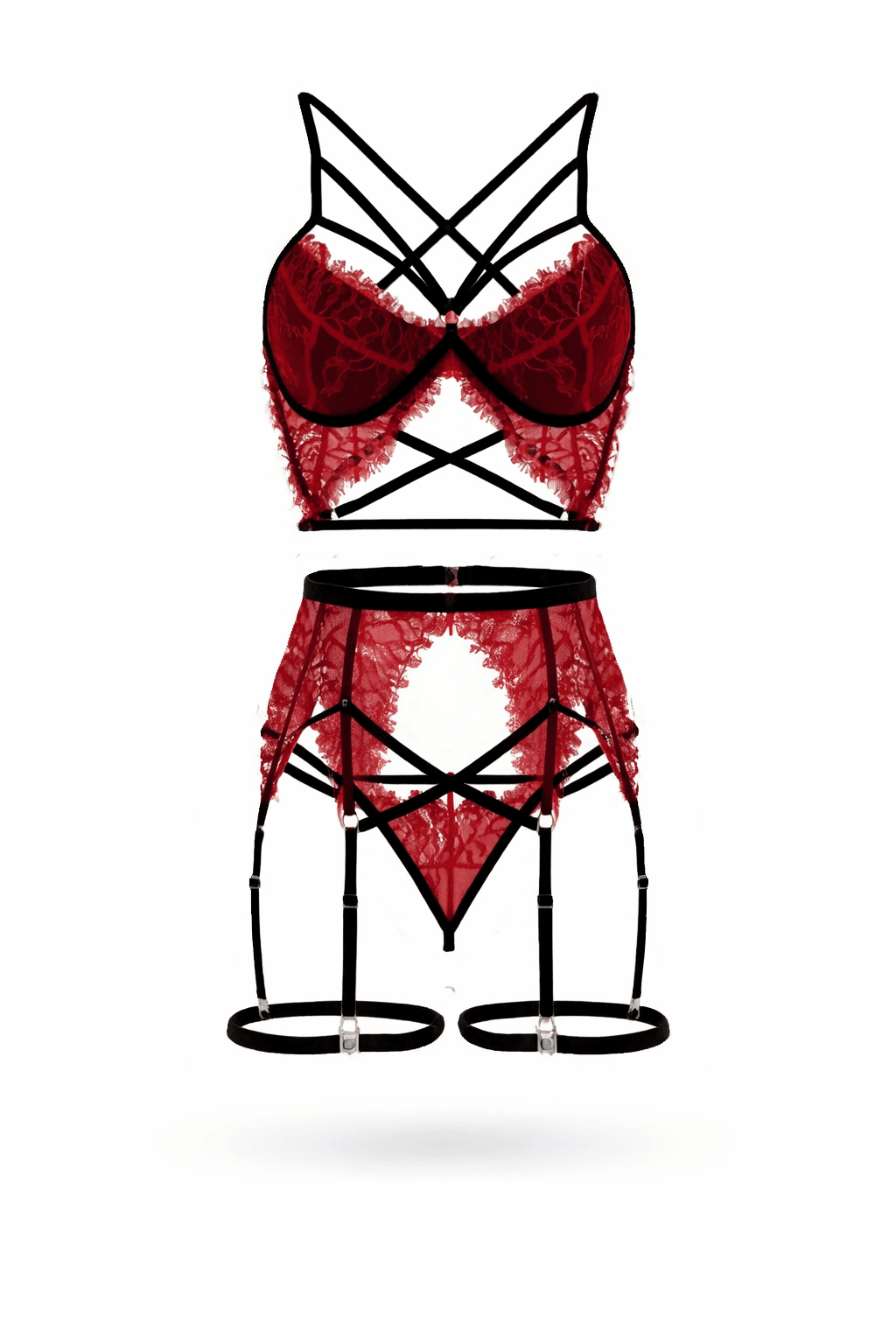
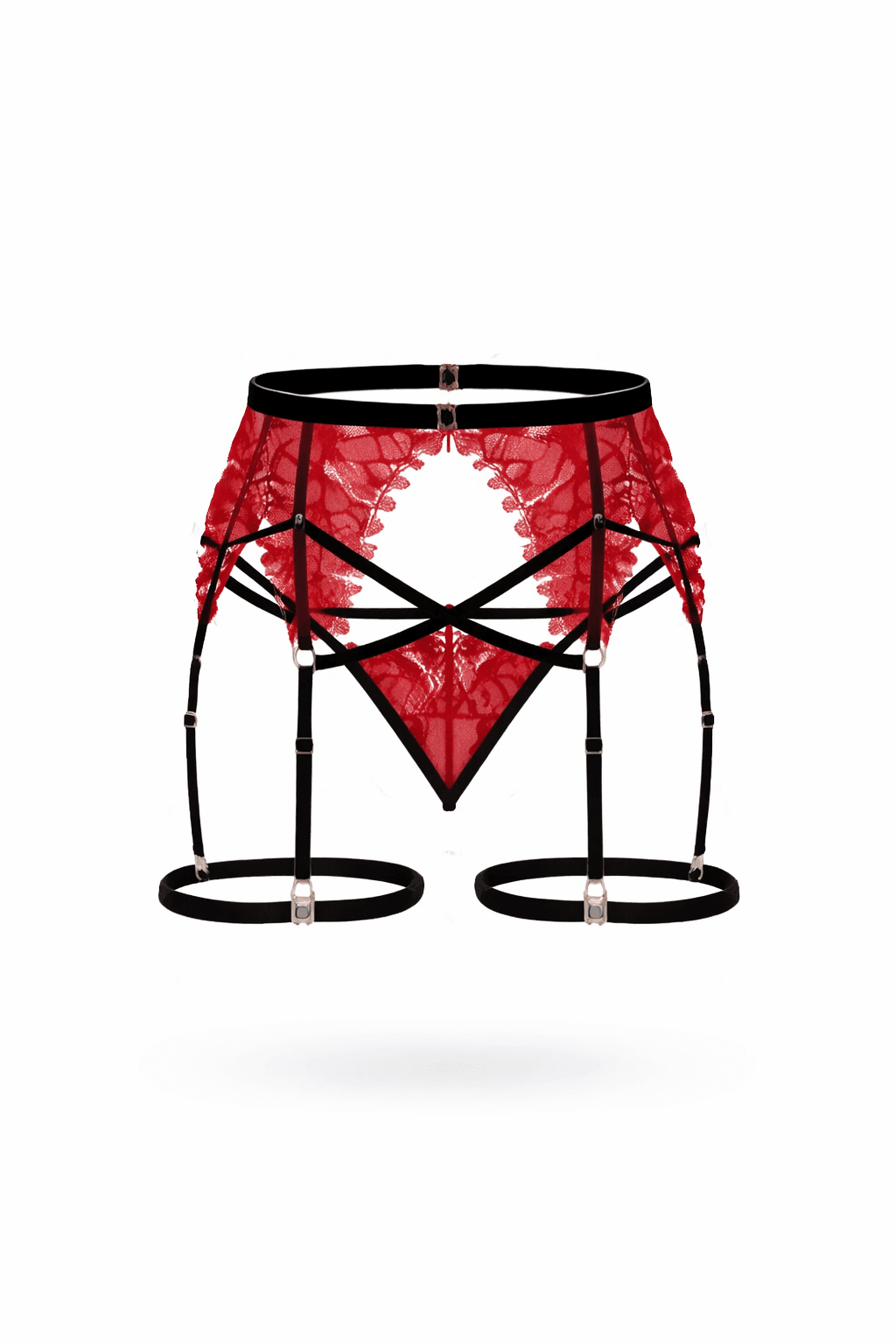
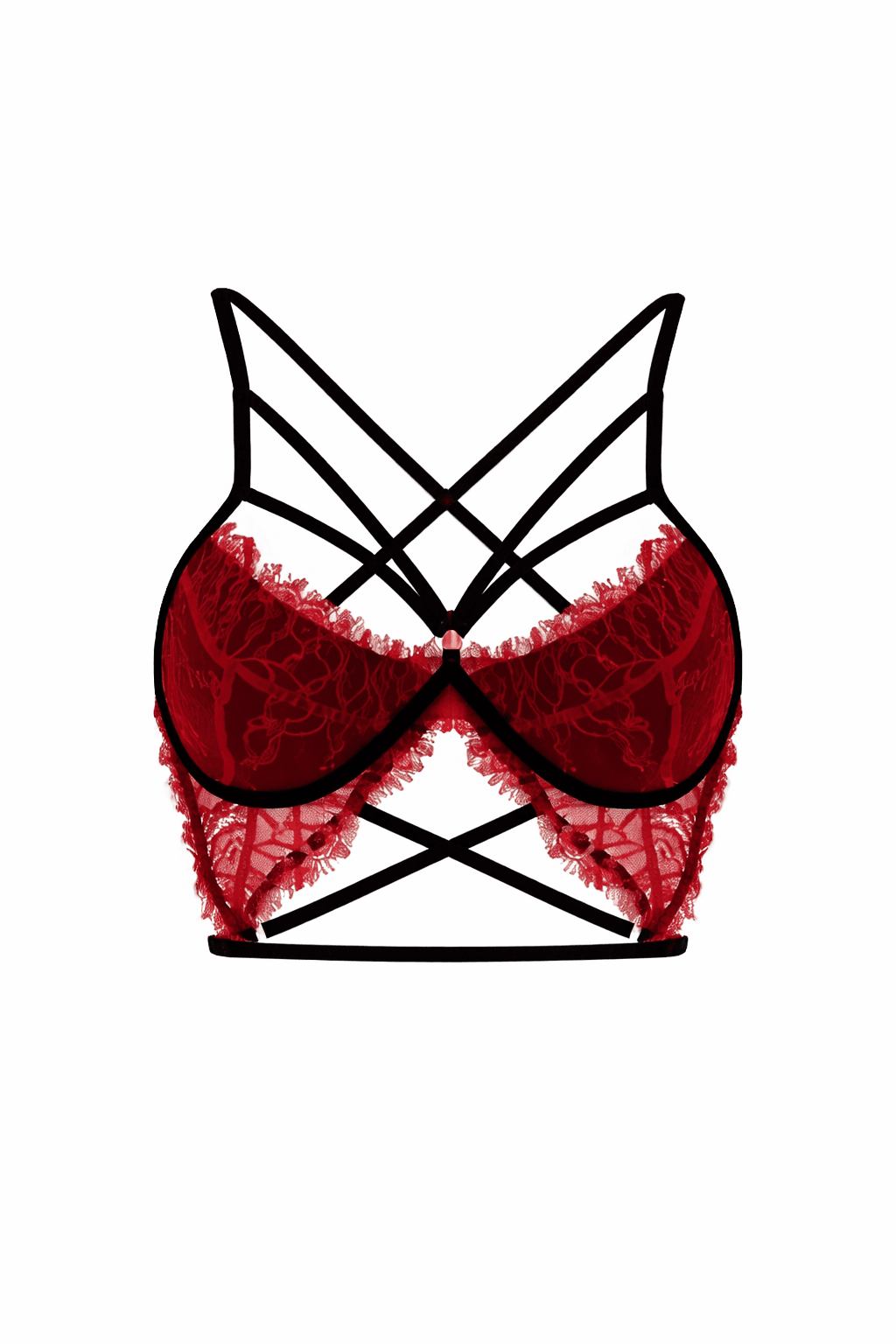
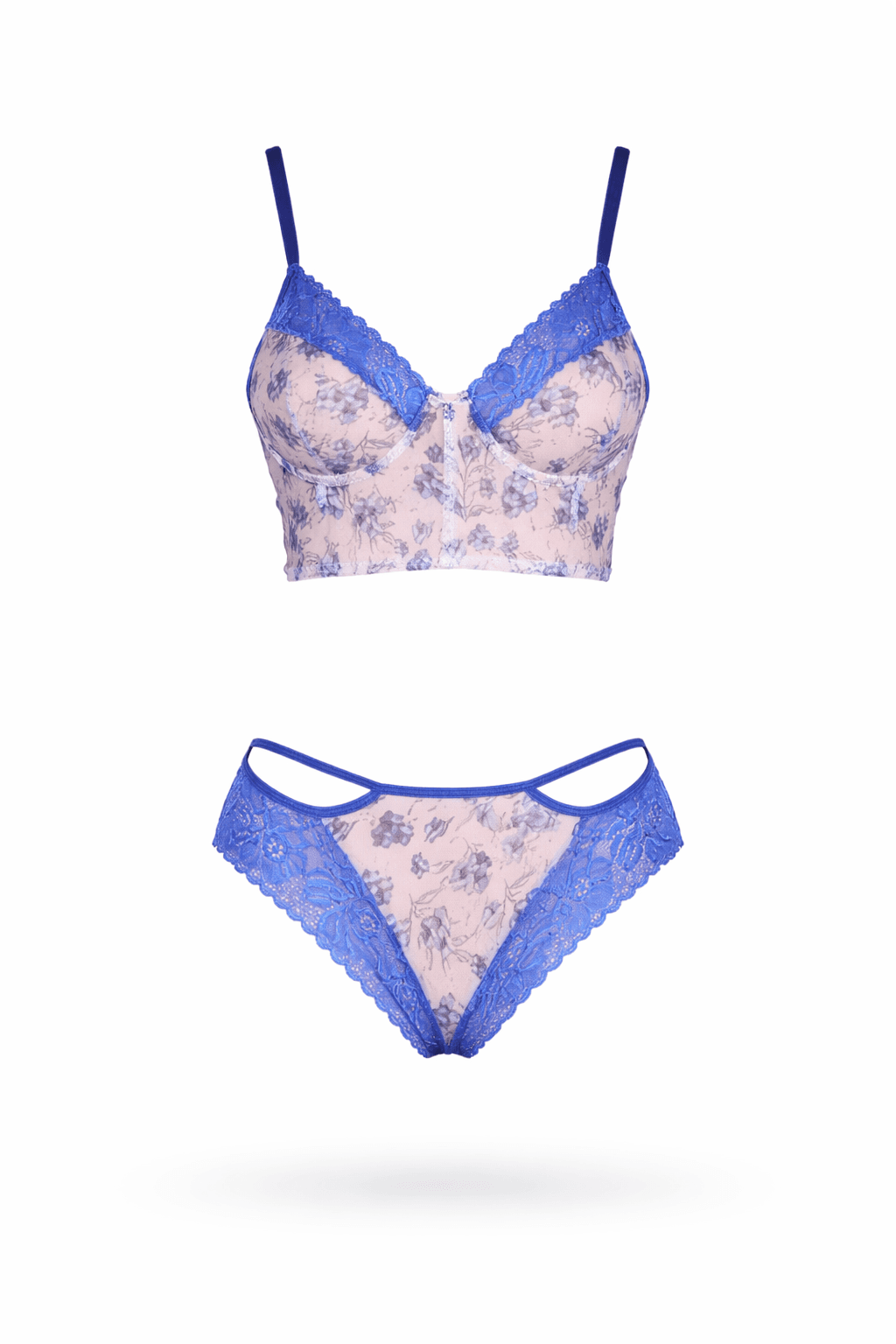
Plus-size lingerie is intimate apparel cut, sewn, and engineered for fuller figures rather than rescaled from straight-size patterns. The category includes bras, panties, lingerie sets, bodysuits, basques, and bikinis, all built around the proportions of a body that ranges roughly from a US dress size 14 upward, or a band size 38 and above for bras.
This is a definition page. It exists so that anyone landing here from a search like 'what is plus-size lingerie' or 'what counts as plus-size bra size' gets a clear, complete answer in one place, with links out to every deeper guide in our library.
The Plain-Language Definition
Plus-size lingerie is lingerie made for plus-size bodies. The category is defined by three things: a body measurement that sits within plus-size sizing systems, garment construction designed for that measurement range, and a brand commitment to design from the start of the size run rather than scale up at the top.
The third part is what separates real plus-size lingerie from straight-size lingerie offered in larger sizes. Scaled-up patterns fail in predictable ways: bands that ride up, straps that dig, cups that gap at the top while spilling at the side. Genuine plus-size lingerie is engineered around those failure points from the start.
Where Does Plus-Size Start?
There is no single universal answer because the answer depends on the sizing system you are using.
| System | Plus-size threshold | Notes |
|---|---|---|
| US dress size | 14 and above | The most common consumer threshold in North America. |
| UK dress size | 16 and above | UK sizing runs roughly two sizes larger than US for the same garment. |
| EU dress size | 44 and above | Continental Europe plus-size starts here. |
| Bra band size | 38 and above (combined with a D+ cup is most common) | Some brands offer plus-size construction starting at band 36. |
| Panties | Hip 42 in / 107 cm and above | Plus-size panty cuts diverge from straight-size cuts noticeably above this measurement. |
The Scarlett Club builds in sizes S through 5XL, with bra ranges spanning band 32 through 48 and cup A through F depending on the style. The size system is designed to overlap with both straight-size and plus-size brackets, so customers in the transitional middle sizes have honest options.
What Counts as Plus-Size Lingerie
- Bras with band sizes 38 and above engineered specifically for the larger band, with wider underbands, multi-hook closures (typically three or four), and reinforced gore.
- Panties drafted on plus-size blocks rather than scaled-up straight-size blocks. The hip-to-waist ratio is different, the gusset is wider, and the leg openings are placed correctly for fuller thighs.
- Lingerie sets where every component is designed for plus-size proportions, not just a bra in a larger size paired with a panty in a generic shape.
- Bodysuits, basques, and shapewear with structured panelling that supports rather than compresses.
- Bikinis cut on plus-size patterns with wider top straps, deeper bottoms, and bust support engineered into the swim top.
What Does Not Count
- Straight-size lingerie offered in extended sizes without pattern adjustment. The clue is when a brand offers sizes XS to 5XL but the construction details (band width, strap padding, gusset depth) are identical across the range.
- Bralettes that lack structural support and are sold as plus-size despite providing no real bust support over a C cup.
- Shapewear marketed as lingerie. Shapewear's job is to compress and reshape. Lingerie's job is to support and frame. They are adjacent categories with different goals.
- Generic 'one size' garments that claim to fit a wide range of bodies. They almost never do above a size 14.
The Anatomy of a Plus-Size Lingerie Wardrobe
Most plus-size lingerie wardrobes contain pieces from across these sub-categories. For a deeper look at any one, follow the linked guide.
- Everyday bras: full-coverage, wireless, or t-shirt bras worn most days. The foundation. See the bra anatomy guide.
- Everyday panties: cotton or microfiber pieces worn under regular clothing. See panty types explained.
- Special-occasion lingerie sets: 2-, 3-, or 4-piece sets in lace or mesh, worn for moments rather than daily routine. See what is a lingerie set.
- Sports bras: high-impact construction worn for movement. See our plus-size sports bra guide.
- Bikinis: swim pieces engineered with the same plus-size construction as our intimate range.
A Brief History of Plus-Size Lingerie
Plus-size lingerie as a named category traces back to 1904, when Lane Bryant began selling clothing for fuller figures in New York. For most of the twentieth century, the plus-size intimate market was treated as a corrective afterthought rather than a design category in its own right. Cacique launched as a plus-size lingerie brand in the 1990s. The major shift happened in 2018, when Savage X Fenty launched with a size range from XS to 4XL across every product from day one. That moment changed industry expectations for what plus-size representation looks like at scale. For the full timeline, see our history of plus-size lingerie.
How to Evaluate Plus-Size Lingerie Before You Buy
Five questions answer most evaluation decisions:
- What is the size range? A brand that runs S to 5XL on every product is more credible than one that lists 5XL only on a handful of pieces.
- Is the construction adapted? Wider straps, multi-hook closures, reinforced bands, and proper gusset depth are the visible signs of plus-size engineering.
- What sizing system is used? Brands that publish a size chart with multiple body measurements (bust, underbust, waist, hip) take fit seriously. Brands that publish only S/M/L equivalents do not.
- How is the brand staffed? Plus-size design teams, plus-size fit models, and plus-size representation in marketing all signal that the brand designs from the body, not for it.
- What is the return policy? A brand that is confident in its fit makes returns and exchanges easy.
Where to Go Next
Pick the sub-tree that matches your question:
- Want to understand bras specifically: read what is a bra and how a bra should fit.
- Looking at panty options: read panty types explained.
- Building a wardrobe from scratch: read the plus-size lingerie starter wardrobe.
- Trying to fix a fit problem: read the twelve most common bra fit problems.
- Shopping for a specific occasion: see our Valentine's lingerie, honeymoon lingerie, or bridal lingerie guides.
Frequently Asked Questions
- What size is considered plus-size lingerie?
In the United States the conventional threshold is dress size 14 and above. In bra sizing, plus-size construction typically begins at band 38 combined with a D cup or larger. The Scarlett Club builds across sizes S through 5XL with bra bands from 32 to 48.
- Is plus-size lingerie just larger straight-size lingerie?
No. Real plus-size lingerie is engineered for fuller figures from the pattern stage. The differences include wider underbands, padded multi-strap construction, multi-hook closures, deeper gussets in panties, and reinforced support in cup construction. Scaled-up straight-size patterns fail in predictable ways at plus sizes.
- What is the difference between plus-size lingerie and shapewear?
Lingerie supports and frames the body. Shapewear compresses and reshapes the body. Both are valid garment categories with different purposes. Some shapewear is marketed alongside lingerie, but they serve different goals.
- Where does plus-size start in bra sizing?
The technical answer depends on the brand. The most common industry threshold for plus-size bra construction is band 38 and above. Some brands begin plus-size engineering at band 36, particularly when paired with a D cup or larger.
- How is plus-size lingerie sized differently from straight-size lingerie?
Beyond the obvious larger numbers, plus-size lingerie uses different proportional ratios. The bust-to-waist ratio is different, the hip-to-waist ratio is different, the cup volume per band increment is different, and the gusset width on panties is wider. These are pattern-stage engineering differences, not just larger versions of the same shape.